
Ever feel like your Dachshund’s fur is quietly staging a takeover of your couch, your clothes, and your floors? You’re not imagining it — and you’re definitely not alone.
Dachshund shedding can feel never-ending, especially when the seasons turn. But here’s the reassuring truth: Dachshunds are only moderate shedders, and with the right tools, grooming routine, and a little know-how, it’s completely manageable. The key is understanding why your Doxie sheds, how their specific coat type behaves, and which steps actually make a difference.
In this guide, we’ll cover how much Dachshunds really shed, how the three coat types compare, what makes shedding worse, whether they’re hypoallergenic, and the exact tools and habits that keep loose hair under control — both on your dog and around your home. Let’s tame the fluff.
Quick Answer: Do Dachshunds Shed a Lot?
Dachshunds are moderate shedders. They shed a little year-round, with bigger spikes during two seasonal “molts” in spring and fall. How much depends mostly on coat type: wire-haired Dachshunds shed the least, smooth-coated shed moderately, and long-haired shed the most.
No Dachshund is non-shedding or truly hypoallergenic, but the right grooming routine keeps loose hair very manageable. Here’s the short version:
- Wire-haired: sheds the least — guard hairs plus an undercoat
- Smooth-coated: moderate shedding, year-round
- Long-haired: sheds the most — needs the most brushing
- Peak shedding: spring and fall, as the coat adjusts to temperature
- Size doesn’t matter: Miniatures shed just as much as Standards
Understanding Dachshund Shedding
Dachshunds come in three coat types — smooth, wire-haired, and long-haired — across a wide range of colors and patterns. And like all dogs, every one of them sheds as part of the natural hair growth cycle: as new hair grows in, old hair falls out and ends up on your furniture, clothes, and floors.
Understanding how your Dachshund sheds helps you in a few practical ways. It lets you anticipate how much fur to expect, build the right grooming routine, choose the right products, and — if allergies are a concern in your household — decide whether a Dachshund is the right fit before you bring one home.
How Much Each Coat Type Sheds
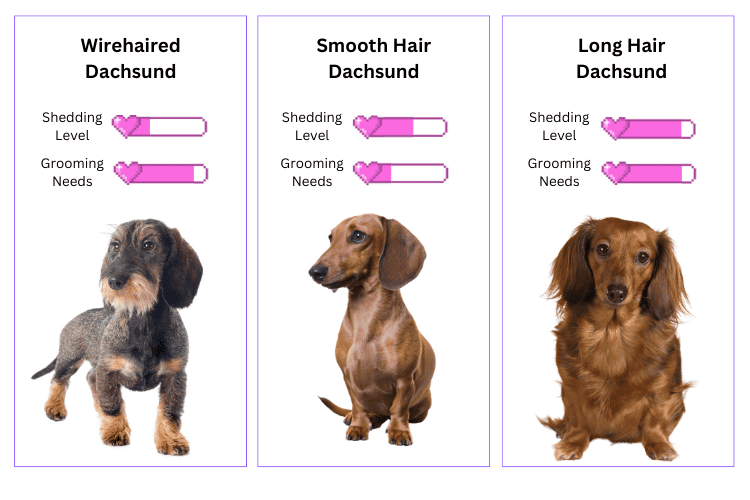
Coat type is the single biggest factor in how much your Dachshund sheds. Here’s how the three compare at a glance:
| Coat type | Shedding level | Grooming needs |
|---|---|---|
| Wire-haired | Lowest | Regular brushing + occasional hand-stripping; slicker brush and metal comb |
| Smooth-coated | Moderate | Weekly brushing with a slicker brush or rubber mitt |
| Long-haired | Highest | Frequent brushing to prevent mats and tangles |
Do Miniature Dachshunds Shed?
Yes — and here’s the surprise for many owners: Miniature Dachshunds shed the same amount as Standards. Size simply isn’t a factor in how much fur your Doxie drops; coat type, age, health, and diet matter far more.
The upside is that the shedding is very manageable. Regular brushing keeps excess fur off your furniture while doubling as bonding time with your pup. Expect a little extra vacuuming or lint-rolling, and in return you’ll have an adorably fluffed companion everyone adores.
Related post: Do Miniature Dachshunds Shed?
Do Long-Haired Dachshunds Shed?
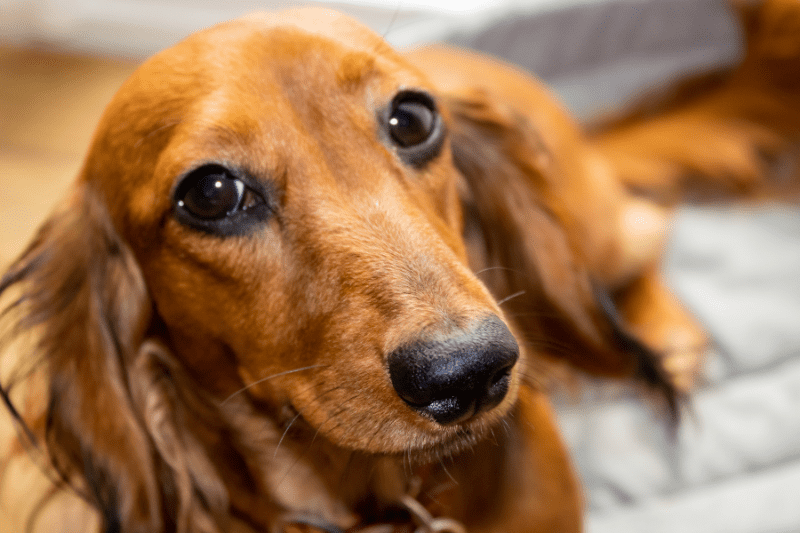
Long-haired Dachshunds shed the most of all three coat types, which means more brushing and upkeep than the shorter-haired varieties. But “more” doesn’t mean “unmanageable” — with regular brushing and bathing, you can keep that gorgeous coat healthy and shedding minimal.
Good coat care for a long-haired Doxie comes down to three things: proper nutrition packed with essential vitamins and minerals, regular exercise to support healthy skin and fur, and consistent grooming. Put the effort in and your long-haired Dachshund will sport a genuinely luxurious, enviable coat.
Related post: Do Long-Haired Dachshunds Shed?
Which Type Sheds the Least?
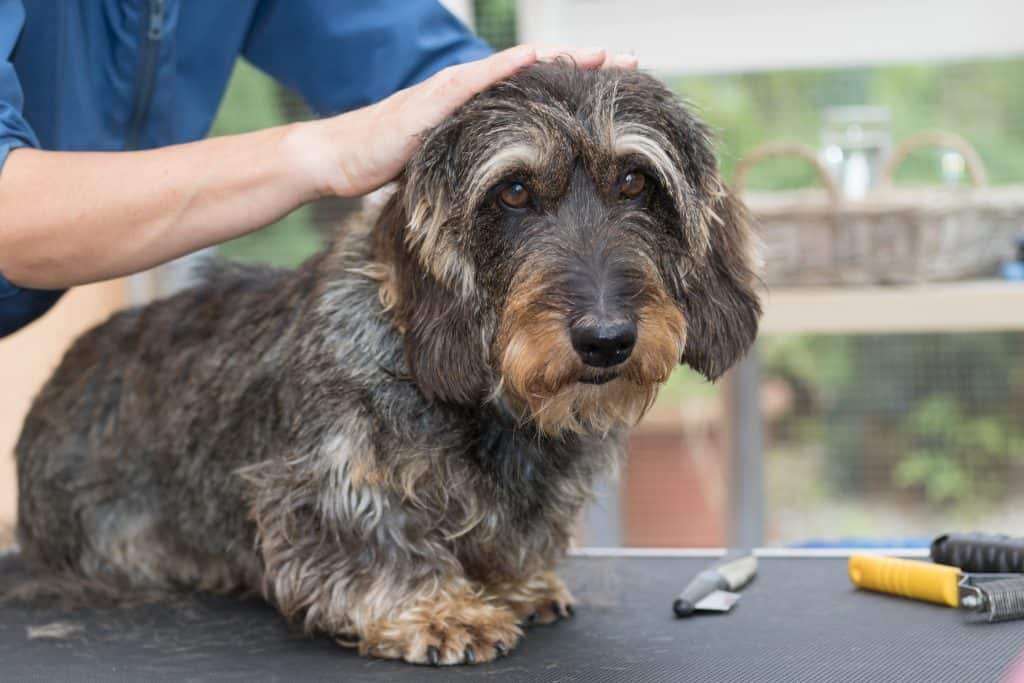
The wire-haired Dachshund is the lowest-shedding of the three. Their coats combine thick guard hairs with a dense undercoat that helps keep dirt and debris out, and the result is minimal hair loss compared to the smooth (moderate) and long-haired (heaviest) varieties.
That said, low-shedding isn’t no-maintenance. Wire-haired coats still need regular grooming to stay healthy and mat-free. A slicker brush and a metal comb used regularly will keep that scruffy coat sleek and tidy.
How to Reduce Your Dachshund’s Shedding
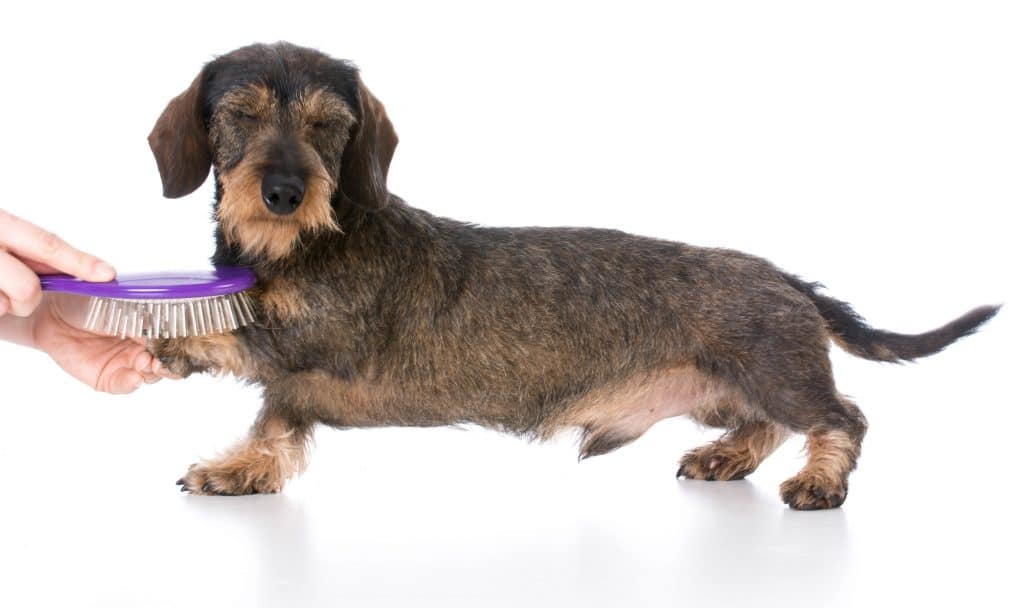
A consistent grooming routine is the foundation of shedding control. Regular brushing pulls loose hair off your dog before it lands on your sofa, and it stimulates healthy hair follicles at the same time. The right brush depends on your Dachshund’s coat:
- Smooth and long-haired coats: a slicker brush works best for catching loose hair.
- Wire-haired coats: a metal comb (alongside a slicker brush) keeps the coat sleek and mat-free.
For smooth & long-haired Doxies — a quality slicker brush:
For wire-haired Doxies — a metal grooming comb:
Metal Grooming Comb on Amazon →
Tools & Products to Minimize Shedding
Beyond a good brush, a few targeted products can make a real dent in shedding:
| Product | What it does | Shop |
|---|---|---|
| Deshedding tool / shedding blade | Removes loose hair and undercoat before it sheds | Check on Amazon → |
| Deshedding shampoo | Loosens and lifts dead hair during baths | Check on Amazon → |
| Omega-3 coat supplement | Supports healthy skin and stronger hair growth | Check on Amazon → |
⚠️ Check with your vet before adding supplements. A sudden increase in shedding, bald patches, or itchy, irritated skin can signal an underlying health issue rather than normal shedding. Your vet can rule out allergies, parasites, or hormonal problems and recommend the right supplement and dose for your dog.
Diet & Lifestyle Changes That Help
What goes into your Dachshund matters as much as how you groom them. A balanced, nutrient-rich diet nourishes the skin and coat from the inside out, and a few lifestyle tweaks support that further:
- Feed a balanced diet: essential nutrients promote healthy hair growth and reduce excess shedding.
- Reduce stress: a calm, stable environment helps, since stress can trigger heavier shedding.
- Exercise regularly: good circulation supports a healthier coat.
📘 Want food recommendations? See our guide to the best dog food for Dachshunds to support a healthy, low-shed coat.
Every Dachshund is unique, so it’s worth working with your veterinarian to build a personalized plan that accounts for your dog’s individual needs and health.
Keeping Your House Fur-Free
Even with great grooming and nutrition, some fur will always make it onto your floors and furniture. These habits keep it from taking over:
- Vacuum regularly to lift hair from carpets, upholstery, and corners — a pet-specific vacuum makes a noticeable difference.
- Keep lint rollers and pet-hair brushes handy for quick passes over furniture.
- Use washable furniture covers or throws on the spots your Doxie loves, then just toss them in the wash.
- Set a weekly deep-clean routine: wash pet bedding, vacuum, brush your dog, and sweep or mop floors.
- Designate a pet zone (a bed or crate area) to contain where most of the fur collects.
A good pet-hair vacuum is the single biggest upgrade for a Dachshund home:
Best Dog Hair Vacuum on Amazon →
Lint rollers and washable furniture covers for everyday touch-ups:
Lint Rollers on Amazon → Furniture Covers on Amazon →
Getting Dog Hair Out of Clothes & the Washing Machine
Dachshund hair has a way of weaving itself into your clothes and then your washing machine. A few simple tactics make it far easier to deal with:
- Prevent first: lint-roll clothing before it goes in the hamper so hair doesn’t transfer to everything else.
- Maintain your machine: regularly clean the lint trap and add a lint-catching laundry ball to the drum.
- Smart laundry technique: wash hairy clothes inside out, and a little fabric softener helps loosen hair so it rinses away.
- Use dedicated products: pet-hair removal brushes and lint-removing tools tackle stubborn fur on fabric.
Lint-catching laundry balls — an easy washing-machine fix:
Check Laundry Hair Removers on Amazon →
Related post: How Do I Get Dog Hair Out of My Clothes and Washing Machine?
Do Dachshunds Shed Seasonally?
Yes — Dachshunds are seasonal shedders. Like many breeds, they shed more heavily in spring and fall as their coat adjusts to the changing temperatures: thinner for the warm months, thicker for the cold ones. You’ll notice more loose fur than usual during these transitions.
Exactly how much and how often your Doxie molts also depends on age, health, and stress levels. It’s worth keeping an eye on your dog’s shedding cycle so you can spot anything out of the ordinary.
⚠️ When to call your vet: Seasonal shedding is normal, but sudden or dramatic changes aren’t. If you notice excessive shedding outside the usual seasons, bald spots, or skin irritation, check in with your veterinarian to rule out an underlying health issue.
Plan ahead for these molts by stepping up brushing, investing in the right tools, and supporting your dog’s coat through diet — and you’ll sail through shedding season far more comfortably.
Are Dachshunds Hypoallergenic?
Unfortunately, no — Dachshunds are not hypoallergenic. They shed moderately and produce allergens like dander, so they aren’t a good match for people with severe allergies.
Hypoallergenic breeds are those that produce fewer allergens (dander, saliva, loose fur) — dogs like the Poodle, Bichon Frise, or Maltese. If your allergies are only mild to moderate, though, you may still be able to enjoy life with a Dachshund through careful grooming and management. The smartest move is to spend time around Dachshunds first and see how you react before committing.
Are There Non-Shedding Dachshunds?
No. There’s no such thing as a non-shedding Dachshund — even the low-shedding wire-haired variety still sheds and produces dander and other allergens. In fact, no dog of any breed is truly 100% non-shedding.
If you love the Dachshund personality but need minimal shedding, some Dachshund mixes bred with lower-allergen breeds like the Poodle or Bichon Frise may shed less. They’re worth researching if you’re open to a mixed breed.
Related posts: Are Dachshunds Hypoallergenic? · Hypoallergenic Dachshund Mixes
Factors That Affect Shedding
Beyond coat type, several things influence how much any individual Dachshund sheds:
- Coat type: wire-haired sheds least; long-haired sheds most.
- Health: poor health, skin conditions, and hormonal imbalances can all increase shedding.
- Seasonal changes: spring and fall bring heavier molts.
- Diet: a diet short on essential nutrients can lead to excessive shedding.
- Stress: stressful events and environmental changes can trigger more shedding.
Remember that every Dachshund is an individual — two dogs with the same coat type can still shed quite differently.
Related post: Do Dachshunds Shed a Lot?
Frequently Asked Questions
Do Dachshunds shed a lot?
Dachshunds are moderate shedders. They lose some fur year-round, with heavier shedding during seasonal molts in spring and fall. The amount depends mainly on coat type, with wire-haired shedding the least and long-haired the most.
Which Dachshund coat type sheds the least?
The wire-haired Dachshund sheds the least. Its coat combines thick guard hairs with a dense undercoat, resulting in minimal hair loss compared to smooth-coated (moderate) and long-haired (heaviest) Dachshunds. It still needs regular grooming, though.
Do Miniature Dachshunds shed less than Standards?
No. Miniature Dachshunds shed the same amount as Standards — size isn’t a factor. How much a Dachshund sheds depends on coat type, age, health, and diet rather than body size.
Are Dachshunds hypoallergenic?
No, Dachshunds are not hypoallergenic. They shed moderately and produce dander, so they aren’t ideal for people with severe allergies. Those with mild allergies may still manage with careful grooming, but it’s best to spend time around one first.
Are there any non-shedding Dachshunds?
No. Every Dachshund sheds to some degree, including the low-shedding wire-haired variety, and all produce dander. No dog breed is truly 100% non-shedding, though some Dachshund mixes with breeds like the Poodle may shed less.
When do Dachshunds shed the most?
Dachshunds shed most heavily during seasonal transitions in spring and fall, when their coats adjust to changing temperatures. Stepping up brushing during these molts helps keep loose fur under control.
How can I reduce my Dachshund’s shedding?
Brush regularly with the right tool for your dog’s coat, bathe with a deshedding shampoo, feed a balanced nutrient-rich diet, manage stress, and keep up with exercise. A vet can help if shedding seems excessive or sudden.
Why is my Dachshund suddenly shedding more than usual?
Sudden increases in shedding can be caused by seasonal change, stress, diet, or an underlying health issue such as allergies, parasites, or a hormonal imbalance. If the change is dramatic or comes with bald spots or skin irritation, consult your vet.
What’s the best brush for a Dachshund?
For smooth and long-haired Dachshunds, a slicker brush works well. For wire-haired coats, a metal comb used alongside a slicker brush keeps the coat sleek and mat-free. A deshedding tool can help during heavy molts.
Does diet affect how much a Dachshund sheds?
Yes. A diet lacking essential nutrients can contribute to excessive shedding, while a balanced diet rich in nutrients — sometimes supported by omega-3 supplements — promotes healthier skin and a stronger coat. Ask your vet for tailored advice.
Affiliate disclosure: This post contains Amazon affiliate links. If you click through and make a purchase, we may earn a small commission at no extra cost to you. We only recommend products we believe in — and your support helps keep Dachshund Central running. Thank you!
Final Thoughts: Shedding You Can Live With
Dachshunds shed — there’s no getting around it — but they’re only moderate shedders, and the fur is genuinely manageable once you understand what you’re working with. Match your routine to your dog’s coat type, support their coat from the inside with good nutrition, and stay ahead of the seasonal molts, and you’ll spend a lot less time chasing loose hair around the house.
The key takeaways:
- Coat type drives shedding: wire-haired sheds least, smooth is moderate, long-haired sheds most.
- Size doesn’t matter: Miniatures shed as much as Standards.
- No Dachshund is hypoallergenic or non-shedding — plan accordingly if allergies are a concern.
- Brush with the right tool and support the coat with a balanced diet.
- Watch for sudden changes: excessive shedding or bald spots warrant a vet visit.
With a little consistency and the right tools, you can enjoy all the love and personality of a Dachshund while keeping the fluff firmly under control.
Disclaimer: This article is for informational purposes only and is not a substitute for professional veterinary advice. If your Dachshund is shedding excessively or showing signs of skin problems, please consult a licensed veterinarian.