Yes — long-haired Dachshunds shed. Anyone who tells you otherwise is selling something.
But before you let that fact scare you away from one of the most stunning Dachshund varieties, here’s the good news: long-haired Dachshunds are only moderate shedders — and with the right grooming routine, you can keep their hair off your couch, clothes, and floor while still enjoying their gorgeous, silky coat.
This complete guide breaks down everything you need to know: how much long-haired Doxies actually shed, when they shed the most, why they shed at all, how their shedding compares to other Dachshund coat types, and the exact tools and techniques to keep it under control. Plus we’ll tackle the question every allergy-prone owner asks: are long-haired Dachshunds hypoallergenic?
Quick Answer: Do Long-Haired Dachshunds Shed?
Yes, long-haired Dachshunds shed. They’re considered moderate shedders — meaning they shed more than truly low-shedding breeds like Poodles or Bichons, but less than heavy shedders like German Shepherds or Labs.
You’ll see two types of shedding:
- Year-round low-level shedding — a steady, ongoing release of dead hair
- Seasonal heavy shedding — twice-a-year “coat blow-outs” in spring and fall when the undercoat changes for the season
The good news: their shedding is highly manageable with consistent brushing, the right tools, and a few smart habits. Most owners report that once they get a routine going, hair around the house becomes a non-issue.
Why Long-Haired Dachshunds Shed
Long-haired Dachshunds shed for the same reason most dogs do: they have a double coat that constantly cycles.
According to the American Kennel Club, long-haired Dachshunds have a “double coat” consisting of:
- The undercoat: A soft, downy layer close to the skin that provides insulation
- The outer coat: The longer, silkier “guard hairs” you see and pet
Both layers go through a continuous cycle of growing, resting, and shedding — and the undercoat is responsible for most of the visible shedding, especially during seasonal changes.
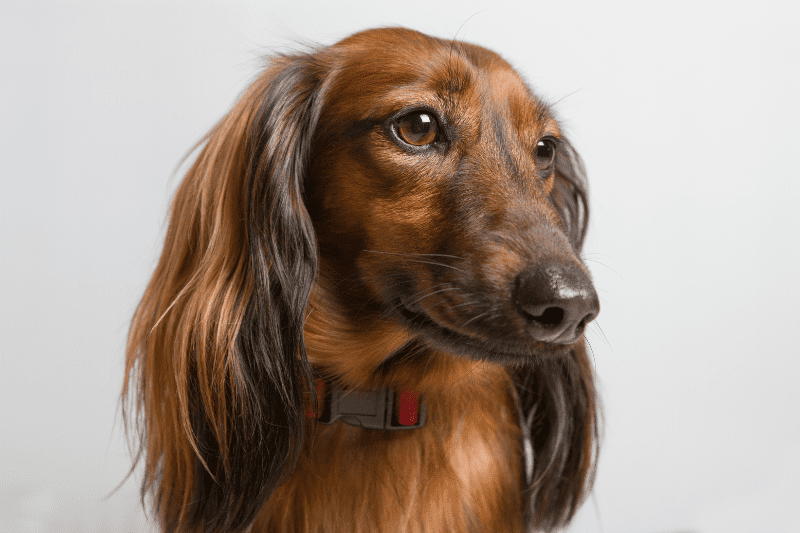
Long-haired Dachshunds also have longer feathered hair on the ears, chest, legs, and tail. When those feathers shed, the hairs are simply more visible because they’re longer than the body hair.

How Much Do They Actually Shed?
Here’s an honest reality check on what to expect:
- Day-to-day: A few hairs on your couch, sweater, or floor — nothing dramatic.
- During seasonal changes (spring/fall): Noticeably more hair, especially during the 2–3 week peak. You’ll find more on furniture and need to brush more frequently.
- If grooming is skipped: Hair builds up in the coat, mats start forming, and shedding becomes worse than it needs to be.
The amount of shedding can also vary individual to individual. Some long-haired Dachshunds shed very little; others are noticeably heavier shedders even with diligent grooming. Coat color, age, and overall health all play a role.
Related post: Do Dachshunds Shed a Lot?
Long-Haired vs. Smooth vs. Wirehaired: Shedding Compared
Here’s how the three Dachshund coat types compare in shedding:
| Coat Type | Shedding Level | Seasonal Blow-Outs | Visible Hair Around the Home |
|---|---|---|---|
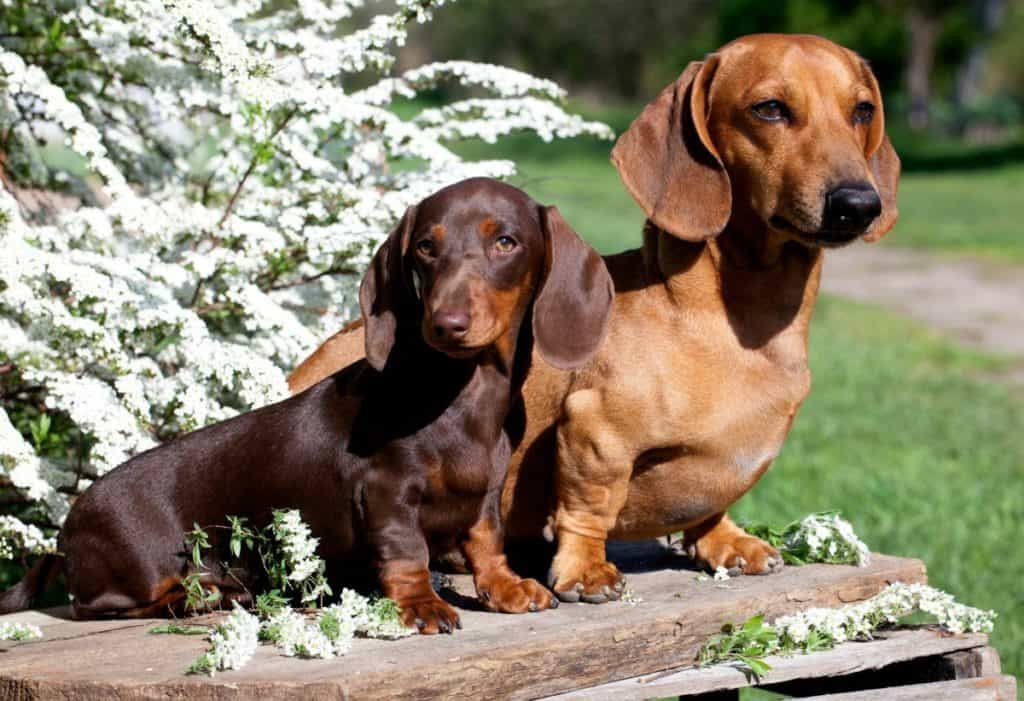
| Smooth-Haired | Moderate | Yes — twice a year | Short, fine hairs (harder to spot but stick everywhere) |
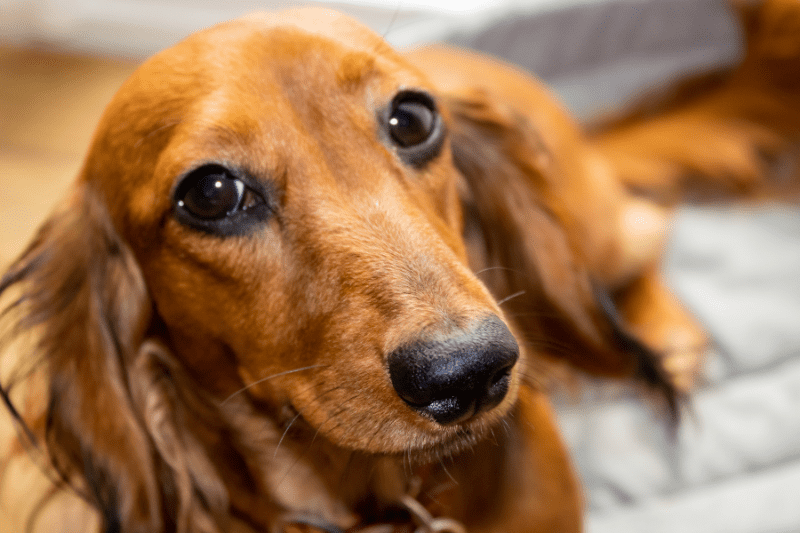
| Long-Haired | Moderate | Yes — twice a year | Longer, more visible strands (easier to spot and clean) |
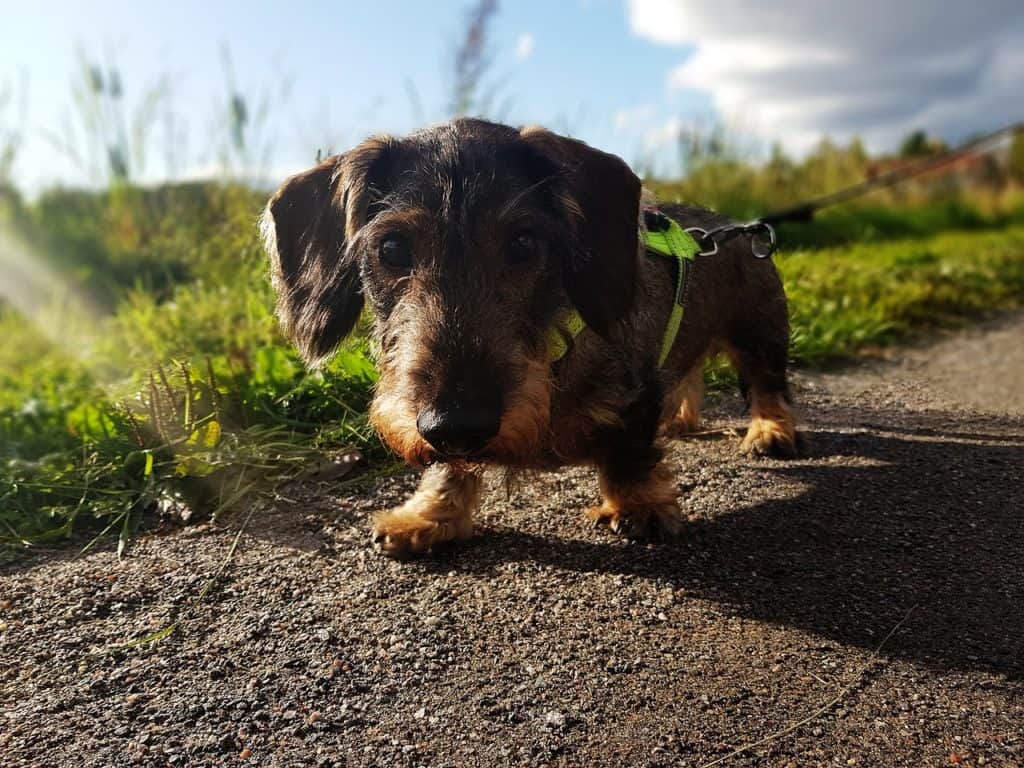
| Wirehaired | Lightest | Less pronounced | Coarser hairs; least amount around the home |
Surprising fact: long-haired Dachshunds don’t actually shed more than smooth-haired ones. They might even shed slightly less! The hair just looks like more because each strand is longer and more visible.
Wirehaired Dachshunds are the lightest shedders of the three because their wiry coat is meant to be hand-stripped (or shed only when stripped), not blown out seasonally like the smooth and long varieties.
Related post: Types of Dachshunds: Sizes, Coats, and Colors
When Do Long-Haired Dachshunds Shed the Most?
Long-haired Dachshunds go through two big shedding seasons each year:
Spring “Coat Blow”
As the weather warms (typically March–May), your Doxie will lose much of their thick winter undercoat to make way for a lighter summer coat. Expect 2–3 weeks of heavy shedding — daily brushing is essential.
Fall “Coat Blow”
In autumn (usually September–November), the lighter summer coat sheds out so a thicker winter undercoat can grow in. Another 2–3 weeks of heavy shedding.
What Causes Year-Round Shedding?
If you’re noticing constant moderate shedding regardless of season, it’s likely because:
- Indoor climate control disrupts natural seasonal cues — climate-controlled homes confuse your dog’s coat into thinking it’s always summer.
- Artificial lighting affects shedding cycles in the same way.
- Older dogs may shed slightly more or less consistently than young ones.
Most modern Dachshund owners experience a low constant shedding baseline punctuated by two more intense seasonal peaks.
Are Long-Haired Dachshunds Hypoallergenic?
No — long-haired Dachshunds are not hypoallergenic.
According to the Asthma and Allergy Foundation of America, no dog breed is truly 100% hypoallergenic. People with dog allergies aren’t typically allergic to fur itself — they’re allergic to proteins in dog dander, saliva, and urine.
Since all dogs produce dander (dead skin cells) and saliva, all dogs can trigger allergies. However, some breeds — like Poodles, Bichons Frises, and Portuguese Water Dogs — produce less dander and shed less, making them more tolerable for some allergy sufferers.
Long-haired Dachshunds:
- Produce dander and saliva like any other dog
- Shed moderately, distributing allergens around the home
- Are NOT considered an allergy-friendly breed by veterinary allergists or the AKC
If you have moderate to severe dog allergies, a long-haired Dachshund probably isn’t the right fit. If your allergies are very mild, you may tolerate them well — especially with frequent grooming, HEPA air purifiers, and good cleaning habits. Always spend time around the breed before committing.
Related post: Are Dachshunds Hypoallergenic?
Best Tools for Managing Shedding
The right tools cut your work in half. Here’s what every long-haired Dachshund owner should have:
Essential Grooming Tools
- Pin brush: Your daily go-to. The rounded pins glide through silky long hair without breaking it.
- Slicker brush: For deeper shedding sessions and removing loose undercoat. Use sparingly to avoid skin irritation.
- Steel/metal comb: The finishing tool. Catches small tangles and confirms the coat is mat-free after brushing.
- De-shedding tool: For seasonal shedding peaks — pulls out loose undercoat efficiently. Use only during heavy shed periods.
Cleanup Tools
- A pet hair-specific vacuum — designed to handle fine pet hair without clogging. A genuine game-changer during seasonal shedding.
- Lint rollers (for clothes and small fabric surfaces)
- Rubber pet hair brooms (for hardwood and tile)
One important note about de-shedding tools: they’re effective but can damage the long-haired coat if overused. Use them only during heavy seasonal shedding — never as your daily brush. Long-haired Dachshund coats are silky and finer than many breeds, and aggressive de-shedding tools can break the topcoat hairs.
The Ideal Grooming Routine
Here’s a realistic grooming schedule for a long-haired Dachshund:
| Task | Frequency | Time Required |
|---|---|---|
| Pin brush — quick all-over | Daily (or every other day) | 3–5 minutes |
| Thorough brush-out with slicker + comb | Weekly | 15–20 minutes |
| Bath | Every 6–8 weeks | 20–30 minutes |
| De-shedding session | During spring/fall blow-outs only | 20 minutes |
| Professional grooming | Every 8–12 weeks (optional) | 1–2 hours |
Bathing Tips
Don’t overdo it. Bathing more than once a month strips the coat’s natural oils, leading to dry skin and — counterintuitively — more shedding. Use:
- A gentle dog-specific shampoo and conditioner formulated for long coats
- A leave-in detangling spray to make brushing easier
- Lukewarm water (never hot)
- Thorough rinsing — leftover shampoo causes itching, irritation, and excess shedding
Important: Always brush before bathing. Water tightens any existing tangles into mats, which are then much harder to remove.
📘 Want the full grooming playbook? Check out our complete guide to grooming long-haired Dachshunds — covering tools, step-by-step brushing, bathing, trimming, popular haircut styles, and pro tips.
Related post: Do Dachshunds Need Grooming?
Diet, Hydration & Supplements That Reduce Shedding
You can’t brush your way out of bad nutrition. A poor diet shows up directly in the coat — dull, dry, and shedding more than necessary. Conversely, the right diet supports skin health and dramatically reduces unnecessary shedding.
What to Look for in Their Food
- Named animal protein as the first ingredient (chicken, salmon, beef, etc.)
- Omega-3 and omega-6 fatty acids — usually from fish oil or flaxseed
- Whole-food vegetables and fruits for vitamins and antioxidants
- No artificial colors or preservatives like BHA, BHT, or ethoxyquin
- AAFCO-compliant labeling for “complete and balanced” nutrition
Supplements Worth Considering
- Omega-3 fish oil supplement: The single most-recommended supplement for skin and coat health. Reduces inflammation, supports the skin barrier, and noticeably improves coat shine.
- Skin and coat supplement: Combines biotin, omega fatty acids, vitamin E, and zinc — designed specifically for healthy coats.
- Probiotics: Gut health is closely linked to skin health.
Always check with your vet before starting any new supplement, and look for products that don’t contain flavorings (like chicken or beef) that could trigger food sensitivities in some Dachshunds.
Related post: Why Does My Dachshund Have Dandruff?
Hydration Matters Too
Dehydrated dogs shed more — period. A well-hydrated dog has supple skin and a healthier coat. Many Dachshunds don’t drink enough water, especially older ones.
To increase water intake:
- Provide multiple water bowls around the house
- Use a pet water fountain — running water is more enticing for many dogs
- Add water or low-sodium broth to dry kibble
- Consider mixing in some wet food
- Wash bowls daily — dogs avoid dirty water
Extra Tips to Keep Hair Off Your Home
Even with a great grooming routine, some hair will end up around the house. Here’s how to keep it manageable:
- Vacuum 2–3 times a week during shedding season (more during peak blow-outs)
- Use washable couch covers — easier to throw in the laundry than to clean upholstery weekly
- Designate “dog blankets” for furniture they love — easier to wash than your decorative throws
- Run a HEPA air purifier — captures airborne dander and reduces allergens
- Brush outdoors when possible — let the wind do some of the cleanup
- Use a damp cloth or rubber glove to wipe down furniture — pet hair lifts right off
- Robot vacuums (programmed daily) keep hardwoods and tile shockingly hair-free
- Wash dog bedding weekly — and shake it out outdoors before washing
Signs Shedding Has Become a Health Issue
Some shedding is normal — but excessive, unusual shedding can signal a real health problem. According to VCA Animal Hospitals, see your vet promptly if you notice any of these signs:
- Bald patches or noticeable thinning in specific areas
- Hair coming out in clumps when you pet them gently
- Red, irritated, or inflamed skin underneath the coat
- Dry, flaky skin or excessive dandruff
- Excessive scratching, licking, or chewing
- Brittle, dull coat with broken hairs
- Ear infections or skin sores along with shedding
- Behavior changes — lethargy, decreased appetite
Common medical causes of abnormal shedding include:
- Allergies (food or environmental)
- Parasites (fleas, mites, ticks)
- Hormonal issues (hypothyroidism, Cushing’s disease)
- Skin infections (bacterial or fungal)
- Color Dilution Alopecia (specifically affects blue and Isabella Dachshunds)
- Stress or anxiety
- Poor nutrition
If your Dachshund’s shedding seems excessive or has changed suddenly, get it checked. Early intervention is much easier than treating a chronic skin condition.
Related post: Are Dachshunds a Healthy Breed?

Frequently Asked Questions
Do long-haired Dachshunds shed more than short-haired ones?
Generally no — they shed about the same amount, sometimes even slightly less. Long-haired Doxie shedding is just more visible because each strand is longer. Short-haired (smooth) Dachshund hairs are shorter and stickier, often embedding into clothing more.
How often should I brush my long-haired Dachshund?
Daily quick brushes (3–5 minutes) plus a thorough weekly brush-out is ideal. Daily brushing prevents 90% of mat formation and dramatically reduces hair around the home.
Are long-haired Dachshunds hypoallergenic?
No. No dog breed is truly hypoallergenic. Long-haired Dachshunds produce dander and saliva, both of which can trigger allergies. They may be tolerable for people with very mild allergies but aren’t recommended for anyone with significant pet allergies.
Do long-haired Dachshunds blow their coat?
Yes — they go through two seasonal coat blow-outs per year (spring and fall) when the undercoat changes. Expect 2–3 weeks of heavier-than-usual shedding during each. Daily brushing is essential during these periods.
Can I shave my long-haired Dachshund to reduce shedding?
Don’t shave. Shaving a double-coated Dachshund can cause heatstroke (their coat regulates temperature both ways), sunburn, and “post-clipping alopecia” where the coat grows back patchy or coarser. Stick to trimming, never shaving down to skin.
What’s the best brush for shedding?
A combination is best: a pin brush for daily maintenance, a slicker brush for deep brushing sessions, and a steel comb for finishing. Add a de-shedding tool for seasonal blow-outs only — used too often it can damage the coat.
Why is my long-haired Dachshund suddenly shedding more?
It could be a seasonal coat blow (normal), stress, allergies, parasites, hormonal imbalance, or poor nutrition. If the shedding seems abnormal, paired with skin issues, or accompanied by behavior changes, see your vet to rule out medical causes.
Does diet really affect shedding?
Yes, significantly. Dogs on poor-quality diets shed more, have duller coats, and develop dry skin. A high-quality diet with omega-3 fatty acids, complete protein, and proper hydration noticeably improves coat health within 4–8 weeks.
Should I bathe my long-haired Dachshund more often to reduce shedding?
No — over-bathing actually increases shedding by stripping natural skin oils. Stick to a bath every 6–8 weeks unless your Doxie gets unusually dirty. Brushing is far more effective at managing shedding than bathing.
At what age do long-haired Dachshunds start shedding?
Puppies have a soft “puppy coat” that they shed entirely between 4–6 months of age as their adult coat comes in. After that, they’ll shed continuously at moderate levels with the seasonal peaks discussed above.
Final Thoughts: Manageable Shedding, Maximum Joy
So yes — long-haired Dachshunds shed. But “shedding” doesn’t have to mean “hair on everything you own.” With 5 minutes of daily brushing, a quality diet, the right tools, and a smart cleaning routine, you can keep your home largely hair-free while enjoying every moment with one of the most beautiful Dachshund varieties in existence.
The key takeaways:
- Long-haired Dachshunds are moderate shedders, with seasonal heavy shedding twice a year.
- They aren’t hypoallergenic — but they’re roughly the same level as other Dachshund coat types.
- Daily brushing is the single most effective shedding management tool.
- Diet and hydration dramatically affect coat health and shedding.
- Don’t shave, don’t over-bathe, and don’t skip the brush.
- Watch for abnormal shedding that signals health problems.
Ultimately, the small effort required to manage shedding is a tiny price to pay for the joy of living with a long-haired Dachshund. Their silky coats, expressive faces, and devoted personalities more than make up for the occasional fur tumbleweed under the couch.
Read more about Dachshund shedding: Dachshund Shedding & How to Manage It
Disclaimer: This article is for informational purposes only and is not a substitute for professional veterinary advice. If your Dachshund is shedding excessively or showing signs of skin or coat problems, consult your veterinarian.
Affiliate disclosure: This post contains Amazon affiliate links. If you click through and make a purchase, we may earn a small commission at no extra cost to you. We only recommend products we believe in — and your support helps keep Dachshund Central running. Thank you!