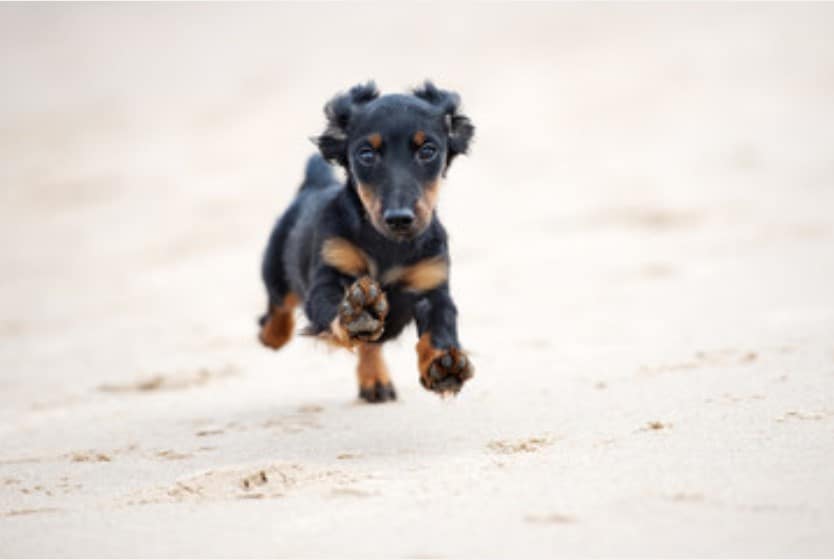

If there’s one breed where diet and exercise genuinely determine quality of life, it’s the Dachshund.
That long, low body — so iconic and so charming — is also a structural challenge. Excess weight on a Dachshund’s spine is one of the leading causes of Intervertebral Disc Disease (IVDD), a painful and sometimes paralyzing condition. The good news is that with the right food, the right portions, and the right amount of daily movement, your Doxie can stay healthy, strong, and active well into their senior years.
This complete guide covers everything a Dachshund owner needs to know about feeding and exercising their dog: portion sizes by weight, the best foods (and what to avoid), human foods that are safe vs. toxic, how much exercise to give, and how to spot the signs of an overweight Doxie. Backed by veterinary guidelines and the AKC’s breed-specific recommendations.
Why Diet & Exercise Matter So Much for Dachshunds
Every dog needs good food and movement, but Dachshunds have an extra reason to take it seriously: their long backs are uniquely vulnerable.
According to the American Kennel Club, Dachshunds account for 40 to 75% of all canine IVDD cases — and excess weight is one of the strongest controllable risk factors. Each extra pound on a Dachshund’s frame is the equivalent of about 5 extra pounds on a typical 60-pound dog, given how much smaller they are.
The wrong diet and lack of exercise can also lead to:
- Diabetes — small breeds are at higher risk
- Arthritis and joint pain — worsened by extra weight
- Heart disease
- Lower energy and depression — yes, dogs can experience it
- Shorter lifespan — overweight dogs live up to 2.5 years less than lean dogs
The takeaway: feeding and exercising your Dachshund correctly isn’t just about keeping them looking trim — it’s about adding healthy years to their life.
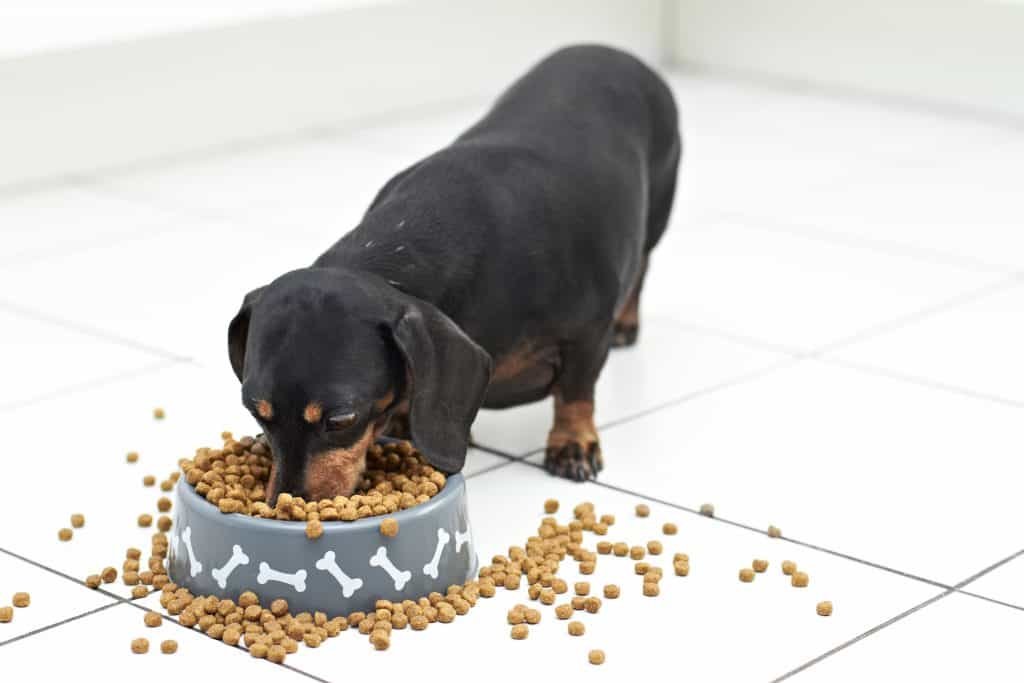
What Do Dachshunds Eat?
Dachshunds are omnivorous carnivores — they thrive on a primarily animal-protein-based diet supplemented with healthy fats, easily digestible carbohydrates, and the right balance of vitamins and minerals.
Most Dachshunds eat one of these four main diet types:
- High-quality dry kibble — convenient, shelf-stable, and the most common choice
- Wet/canned food — higher moisture content and palatability, often used to top kibble
- Fresh/cooked food — homemade or fresh-delivery (Farmer’s Dog, Ollie, etc.)
- Raw food — must be carefully handled, often used as freeze-dried or dehydrated
Most owners settle on quality kibble with some fresh food toppers — a balance of convenience, nutrition, and cost. Whatever you choose, the key is quality ingredients and the right portion sizes.
One important note: Dachshunds are notorious foodies. They will always act hungry, beg for everything, and seem genuinely traumatized when their bowl is empty. This is breed personality, not actual hunger. Resist the puppy-dog eyes — overfeeding is the #1 dietary mistake Doxie owners make.
How Much to Feed a Dachshund
Portion sizes depend on your Dachshund’s size, age, activity level, and the specific calorie density of their food. As a general rule:
- Adult Standard Dachshunds: 1 to 1¾ cups of food per day, split into 2 meals
- Adult Miniature Dachshunds: ¾ to 1 cup of food per day, split into 2 meals
- Adult feeding frequency: 2 meals per day (morning and evening)
These are starting points only. The exact amount depends on the calorie density of your specific food brand, so always cross-reference with the feeding guide on your food bag and consult your vet.
Feeding a Dachshund Puppy
Puppies need more food, more often. The general rule is roughly 1 ounce of food per pound of body weight per day, spread across 3–4 meals.
| Puppy Age | Meals Per Day | Notes |
|---|---|---|
| 8–12 weeks | 4 meals | Small frequent meals to support growth |
| 3–6 months | 3 meals | Slowly transition portions |
| 6–12 months | 2–3 meals | Move toward adult feeding schedule |
| 12+ months | 2 meals | Adult schedule |
Always feed puppies a food specifically formulated for puppies (or all life stages) until they’re at least one year old.
Adult Dachshund Feeding Chart
Here’s a quick reference based on weight. Remember: these are starting points based on average activity and average kibble calorie density.
| Dachshund Type | Weight | Daily Food Amount | Approx. Calories |
|---|---|---|---|
| Miniature | 10 lbs | ¾ cup | ~300 kcal |
| Miniature | 11 lbs | ¾ cup | ~330 kcal |
| Miniature/Tweenie | 15 lbs | 1 cup | ~450 kcal |
| Standard | 20 lbs | 1⅔ cups | ~600 kcal |
| Standard | 25 lbs | 1¾ cups | ~750 kcal |
| Standard | 30+ lbs | 1¾ cups | ~900 kcal |
Related post: Dachshund Feeding Chart: What You Need to Know
How Many Calories Per Day?
While most dogs need around 30 calories per pound of body weight per day, small breeds like Dachshunds have faster metabolisms and may need up to 40 calories per pound, depending on activity level.
- Standard adult Dachshund (32 lbs): ~960 calories per day
- Miniature adult Dachshund (11 lbs): ~330 calories per day
Active or working Dachshunds may need slightly more, while seniors and less-active pets often need less. Always adjust based on body condition — if you can’t easily feel your dog’s ribs, you’re feeding too much.
Related post: Why Won’t My Dachshund Lose Weight?
What Is the Best Diet for a Dachshund?
According to the Association of American Feed Control Officials (AAFCO) — the body that sets pet food nutrition standards in the U.S. — dogs require:
- Minimum 22% protein for puppies and lactating females
- Minimum 18% protein for adults
- Minimum 8% fat for puppies, 5% for adult dogs
- Plus essential vitamins, minerals, and amino acids
The “best diet” for any Dachshund is one that:
- Meets or exceeds AAFCO standards for their life stage
- Lists a named animal protein (chicken, beef, lamb, salmon, etc.) as the first ingredient
- Avoids excessive fillers like corn, wheat, or soy at the top of the ingredient list
- Avoids artificial colors, flavors, and preservatives (BHA, BHT, ethoxyquin)
- Includes omega-3 fatty acids for skin, coat, and joint health
- Has the right calorie density for your Doxie’s weight management needs
If you’re choosing between commercial diets, look for a high-quality kibble formulated for small breeds. If you want to incorporate raw nutrition without the food safety hassles, freeze-dried or dehydrated raw foods are an excellent middle ground.
Two extra recommendations for Dachshunds specifically:
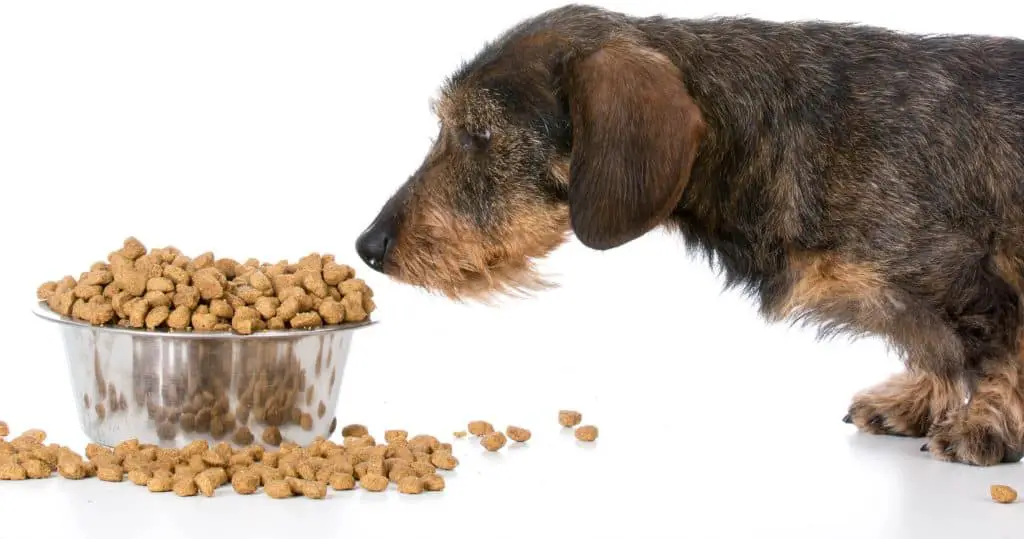
- Use a slow-feeder bowl — Doxies tend to inhale food, which contributes to bloat, gas, and overeating. A slow-feeder forces them to eat at a healthy pace.
- Consider an omega-3 fish oil supplement — supports skin, coat, joint health, and may reduce inflammation associated with IVDD.
Related post: Can Dachshunds Be Vegan?

Choosing the Best Dog Food for a Dachshund
The pet food aisle is overwhelming. Here’s what to look for — and what to avoid — when picking a food for your Doxie.
Look For:
- Named protein source first (e.g., “deboned chicken,” not “meat meal”)
- Whole food ingredients — vegetables, fruits, whole grains
- Omega-3 sources — salmon oil, flaxseed
- AAFCO statement on the label confirming the food is “complete and balanced”
- Appropriate life stage formula (puppy, adult, senior)
- Reputable manufacturer with a track record and recall history you can check
Avoid:
- “Meat by-products” — often unnamed slaughterhouse waste
- Top ingredients of corn, cornmeal, or wheat — fillers with little nutritional value
- Artificial colors and dyes
- Preservatives like BHA, BHT, or ethoxyquin
- Excessive added sugars or syrups
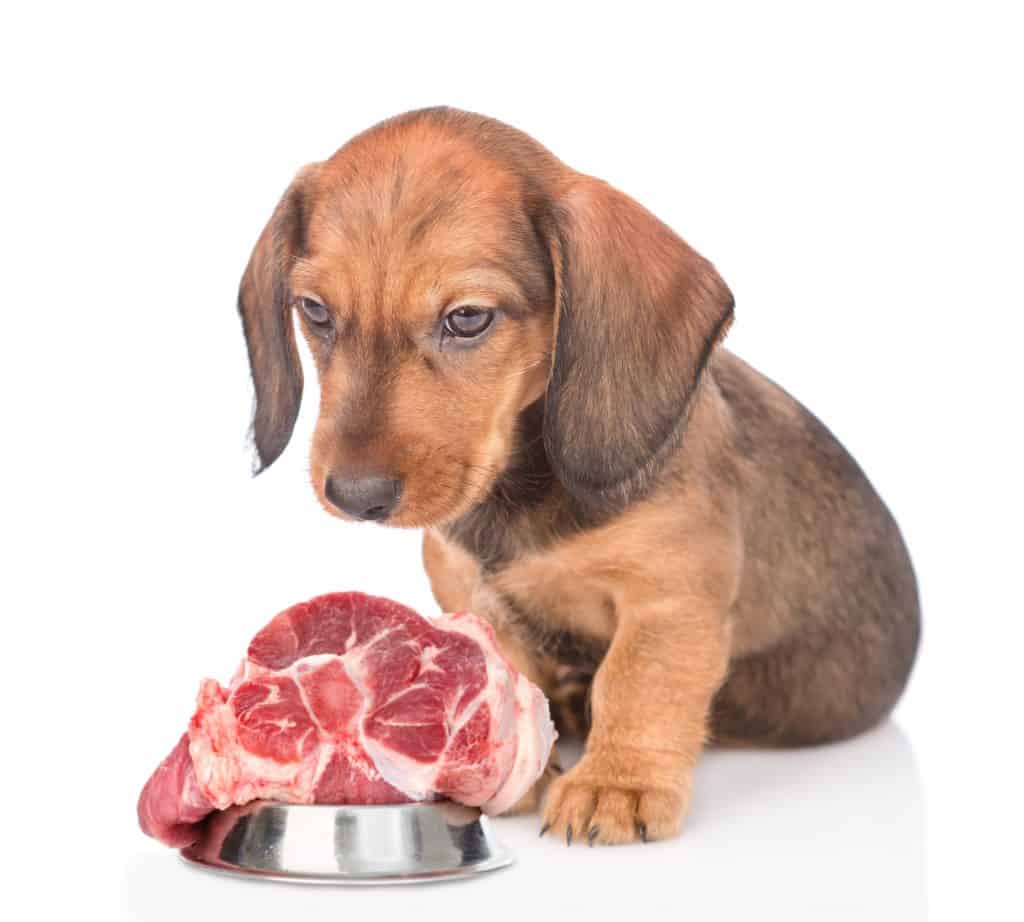
If you’re considering raw feeding, do it carefully. Raw meat carries bacteria risks (salmonella, E. coli) and requires careful handling. Freeze-dried and dehydrated raw foods are a much safer way to get raw nutrition into your Dachshund’s diet.
Related post: Is Raw Food Good for Dachshunds?
Related post: Click here to find the best food for Dachshunds
Safe Human Foods for Dachshunds
Plenty of human foods are perfectly safe — and even healthy — to share with your Dachshund in moderation. Here are the top safe options:
🐟 Salmon
Cooked, boneless salmon is excellent for Dachshunds — high in omega-3 fatty acids that support immune function, reduce inflammation, and give the coat a beautiful shine. Always remove all bones — fish bones can splinter and cause serious internal injuries.
🍞 Plain Bread
Plain white or wheat bread is safe in small amounts. Avoid breads with raisins, garlic, onions, seeds, or xylitol-sweetened additions.
🥣 Plain Oatmeal
Cooked, unsweetened oatmeal is gentle on the stomach and a great option for senior Doxies or those with sensitive digestion. Avoid flavored or sweetened versions.
🌽 Plain Cooked Corn (Off the Cob)
Plain corn is fine in moderation. Never give corn on the cob — the cob can cause life-threatening intestinal blockages in small dogs.
🥜 Peanut Butter
An all-time Doxie favorite — but only unsalted, unsweetened versions. Always check for xylitol on the label, which is highly toxic to dogs even in tiny amounts.
Related post: Is Your Dachshund Overweight?
Safe Fruits & Vegetables for Dachshunds
Most fresh produce makes for excellent low-calorie treats. Here’s what’s safe (always in moderation, always prepared properly):
Safe Fruits
| Fruit | Benefits | Important Notes |
|---|---|---|
| Apples | Fiber, vitamin C, low protein/fat | Remove core and seeds (cyanide). Read more |
| Bananas | Potassium, vitamins, biotin, low calorie | High sugar — occasional treat only. Read more |
| Blueberries | Antioxidants, fiber, phytochemicals | Excellent superfood treat |
| Cantaloupe | High water content, fiber, low calorie | Watch sugar with diabetic dogs |
| Cranberries | Antioxidants, urinary support | Plain only — no sweetened versions |
| Mango | Vitamins A, B6, C, E | Remove pit (contains cyanide, choking hazard) |
| Oranges | Vitamin C, potassium, fiber | Peel and seed first; small amounts only |
| Peaches | Fiber, vitamin A | Remove pit. Avoid canned (added sugar) |
| Pears | Copper, vitamins C and K, fiber | Remove seeds (contain cyanide) |
| Pineapple | Vitamins, minerals, bromelain enzyme | Remove peel and crown |
| Raspberries | Antioxidants, anti-inflammatory | Limit quantity — small natural xylitol content |
| Strawberries | Vitamin C, fiber, malic acid (whitens teeth) | Watch sugar — moderate amounts |
| Watermelon | 92% water — perfect summer hydration | Remove rind and seeds |
Safe Vegetables
| Vegetable | Benefits | Important Notes |
|---|---|---|
| Broccoli | High fiber, vitamin C, low fat | Small amounts only — can cause gas; never give whole stalks |
| Brussels Sprouts | Vitamins, antioxidants | Cause gas — feed sparingly |
| Carrots | Vitamin A, fiber, helps clean teeth | Excellent low-calorie crunchy treat |
| Celery | Vitamins A, C; freshens breath | Cut into small pieces to prevent choking |
| Cucumbers | Hydrating, very low calorie, vitamins K, C, B1 | Great for overweight Doxies |
| Green Beans | Vitamins, fiber, low calorie | Plain only — no salt or seasoning |
| Peas | Vitamins, minerals, protein | Fresh or frozen only — avoid canned (sodium) |
| Spinach | Beta-carotene, vitamins, antioxidants | Small amounts only — high oxalic acid |
Related post: Are Dachshunds Picky Eaters?
Foods You Should NEVER Feed Your Dachshund
According to the ASPCA Animal Poison Control Center, the following foods are toxic or dangerous to dogs and should be kept out of reach at all times:
🚫 Highly Toxic — Can Be Fatal
- Chocolate — contains theobromine, which dogs can’t metabolize. Even small amounts cause vomiting and diarrhea; large amounts can cause seizures and death. Dark and baking chocolate are most dangerous.
- Grapes & Raisins — can cause acute kidney failure even in small quantities. The toxic compound is still being studied, but the danger is real.
- Onions, Garlic, Leeks & Chives — destroy red blood cells, causing anemia. Never feed these in any form (raw, cooked, powdered).
- Xylitol — found in sugar-free gum, candy, peanut butter, and baked goods. Causes rapid drop in blood sugar and liver failure. Even tiny amounts are deadly.
- Macadamia Nuts — cause weakness, vomiting, tremors, and hyperthermia.
- Alcohol — even small amounts are toxic.
- Caffeine — coffee, tea, energy drinks all dangerous.
⚠️ Dangerous — Avoid Feeding
- Avocado — contains persin which can cause vomiting and diarrhea
- Cherries — pits contain cyanide; can cause poisoning, breathing difficulty
- Tomatoes (green parts) — contain solanine; ripe red flesh is generally safe
- Mushrooms — many wild varieties are toxic; safer to avoid all
- Fatty meats (cooked or raw) — high fat triggers pancreatitis, especially serious in small breeds
- Salty foods — bacon, chips, and salty snacks can cause sodium ion poisoning
- Sweets and sugar — empty calories that lead to obesity, diabetes, and dental disease
- Cooked bones — splinter and can puncture the digestive tract
Maybe Avoid: Dairy
Many dogs are lactose intolerant. Small amounts of plain cheese or yogurt are usually fine for most Dachshunds, but milk, ice cream, and cream can cause stomach upset, gas, and diarrhea. Test small amounts first and watch for reactions.
If your Doxie eats something toxic, contact your vet or the ASPCA Animal Poison Control hotline at (888) 426-4435 immediately.

Dachshund Exercise Guide
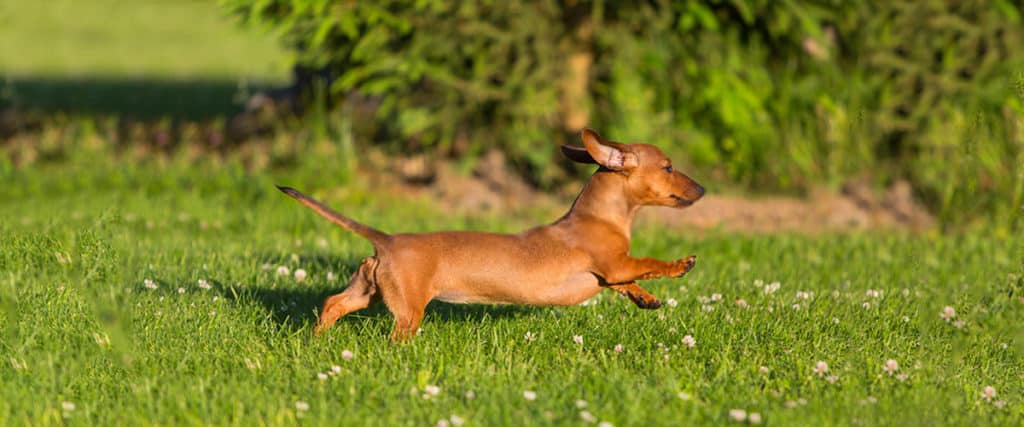
Dachshunds were bred to hunt badgers underground for hours — they’re far more athletic than they look. Their stubby legs are deceiving; modern Doxies still have all the energy and prey drive of their working ancestors.
That said, exercise needs to be back-friendly. The same long spine that makes Dachshunds adorable also makes them vulnerable to injury, so the right kinds of exercise matter more than just the amount.
Best Ways to Exercise Your Dachshund
✅ Recommended Exercises
- Walking — the gold standard. 1–2 daily walks at a pace that suits your Doxie
- Sniff-walks — let them lead with their nose; mentally exhausting in the best way
- Fetch on flat ground — great for short bursts of energy
- Hide and seek — fun mental + physical exercise indoors
- Swimming — fantastic low-impact exercise, easy on the spine
- Tracking and nose-work games — uses their natural hunting instincts
- Agility (low-jump versions only) — supervised classes designed for small breeds
❌ Exercises to Avoid
- High jumping — off furniture, in/out of cars
- Stairs (whenever possible) — repeated use stresses the spine
- Rough play with bigger dogs — too much risk of body twists
- Long-distance running — their legs aren’t built for it
- Twisting/spinning games — anything that torques the spine
- Tug-of-war — strains the neck and back
Related posts: How to Tire Out a Dachshund | Can Dachshunds Swim?
How Much Exercise Daily?
The average adult Dachshund needs 30 to 60 minutes of exercise per day, ideally split across 2 sessions. Here’s a rough guide by life stage:
| Age/Stage | Daily Exercise | Notes |
|---|---|---|
| Puppy (8 weeks – 6 months) | 5 minutes per month of age, 2x/day | “5-minute rule” — 4-month-old = 20 min, twice a day |
| Adolescent (6–12 months) | 30–45 minutes/day | Full structured walks now okay |
| Adult (1–8 years) | 30–60 minutes/day | Split into 2 walks plus play time |
| Senior (8+ years) | 20–30 minutes/day | Shorter walks, watch for joint stiffness |
Many Doxie owners think their dog gets enough exercise running around the house — they don’t. Carrying a Dachshund everywhere when they could be walking is also unhealthy. Their little legs need to actually walk for joint, muscle, and mental health.
Related posts: How Much Should a Dachshund Weigh? | Are Dachshunds a Healthy Breed?
Miniature Dachshund Exercise Needs
Miniature Dachshunds need slightly less exercise than their Standard cousins because of their smaller size and lower energy reserves — but they’re still active little dogs.
- Daily target: 20–30 minutes of structured exercise
- Maximum walk distance: Up to 5 miles per day for a fit adult
- Pace: Steady walking — not running or jogging
If your Mini is panting heavily, lagging behind, or wanting to lie down, it’s time to slow down or head home. Build endurance gradually.
Related post: How Far Can Dachshunds Walk?
Mental Stimulation: The Other Half of Exercise
For an intelligent breed like the Dachshund, mental exercise is just as important as physical exercise. A bored Doxie is a destructive Doxie — chewing, digging, barking, and finding creative trouble.
Best ways to mentally stimulate your Dachshund:
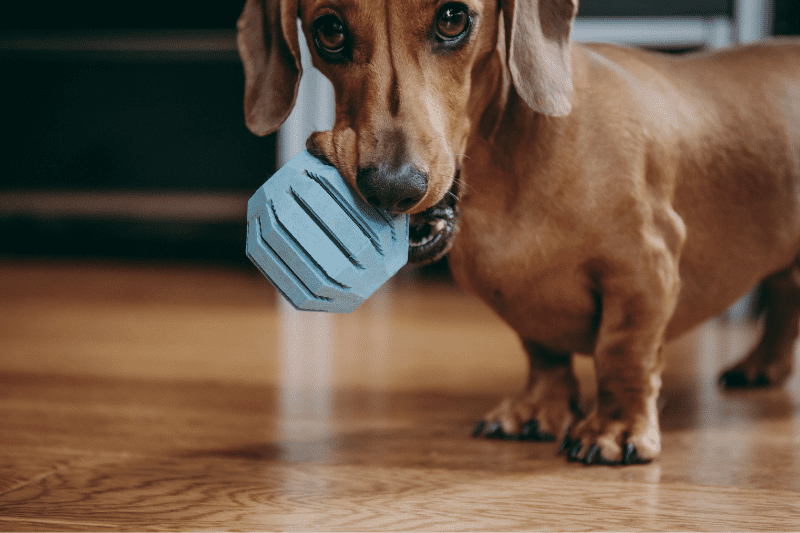
- Puzzle toys and snuffle mats — make them work for treats
- Training sessions — even 5–10 minutes daily reinforces commands and tires them out mentally
- Hide-and-seek games — hide treats around the house and let them sniff them out
- New routes on walks — variety in smells = mental stimulation
- Frozen healthy training treats in a Kong — keeps them busy for 30+ minutes
- Earn-it games — make them sit, lie down, or do tricks for meals/treats
15–20 minutes of mental work daily can be just as exhausting (and satisfying) for a Dachshund as a long walk.
Helpful Gear for Walks & Outdoor Time
Two pieces of gear make exercising your Dachshund safer and more comfortable:
- A well-fitted Y-shaped harness — never use a neck collar for walking a Dachshund. Harnesses distribute pressure across the chest instead of the vulnerable cervical spine. This is one of the simplest things you can do to reduce IVDD risk.
- A dog backpack or carrier — perfect for longer hikes when your Doxie’s little legs need a break, or for navigating stairs and obstacles safely.
And one more clever tool — an interactive puzzle feeder — slows down meals (preventing bloat) and provides mental stimulation simultaneously. Two birds, one bowl.
Is Your Dachshund Overweight?
Estimating Dachshund body condition is more important than just weighing them. Here’s a quick check you can do at home:
The Hands-On Test
- Run your hands along their ribs. You should feel each rib easily, with a thin layer of fat over them — like running your fingers over the back of your hand.
- Look from above. A healthy Doxie has a visible “waist” tucking in behind the ribs.
- Look from the side. The belly should tuck up slightly behind the rib cage, not hang straight or sag.
Signs Your Dachshund Is Overweight
- You can’t easily feel the ribs without pressing through fat
- No visible waist when viewed from above
- Sagging or rounded belly
- Reluctance to walk, jump, or play
- Tires quickly on walks
- Shortness of breath
- Snoring or labored breathing while sleeping
Even 1–2 extra pounds on a Dachshund’s small frame is a meaningful problem. If you spot any of these signs, talk to your vet about a weight-reduction plan and don’t try crash dieting — sudden severe calorie cuts can cause health problems.
Related post: Is Your Dachshund Overweight?
Use Our Free Feeding Calculator
Want a personalized portion size for your specific Dachshund? Skip the guesswork.
👉 Try our free Dachshund Feeding Calculator — input your dog’s weight, age, and activity level for an instant, personalized daily food recommendation.
The calculator takes the math out of feeding and gives you the right starting point for your individual Doxie.
Frequently Asked Questions
How many times a day should I feed my Dachshund?
Adult Dachshunds should eat 2 meals per day (morning and evening). Puppies need 3–4 smaller meals per day depending on age. Avoid free-feeding (leaving food out all day) — Dachshunds will overeat.
What’s the best food for a Dachshund?
The best food is one that meets AAFCO standards, lists a named animal protein first, avoids fillers and artificial ingredients, and matches your Doxie’s life stage. Look for high-quality kibble or fresh food, ideally with omega-3 fatty acids included.
Can Dachshunds eat raw food?
Yes, but with careful handling. Raw meat carries bacteria risks for both dogs and humans. Many vets recommend freeze-dried or dehydrated raw foods as a safer alternative that still provides raw nutrition benefits.
How can I tell if my Dachshund is overweight?
You should be able to easily feel their ribs with a thin fat layer, see a visible waist when viewed from above, and a slight belly tuck from the side. If any of these are missing, your Doxie is likely overweight.
How much exercise does a Dachshund really need?
Most adult Dachshunds need 30–60 minutes of daily exercise, split into two walks plus some play time. Miniature Dachshunds can do well with 20–30 minutes. Mental stimulation counts too.
Are Dachshunds prone to obesity?
Yes — significantly. Their food motivation is high, their exercise needs are sometimes underestimated, and owners tend to overfeed treats. Combined with their IVDD vulnerability, weight management is one of the most important things you can do for your Dachshund’s health.
Can my Dachshund eat the same food as my other dog?
If your other dog is a small breed, often yes. If you have a large breed, look for a small-breed-specific food for your Doxie. The kibble size, calorie density, and nutrient ratios differ between small and large breed formulas.
How long do Dachshunds live with proper diet and exercise?
Well-cared-for Dachshunds typically live 12–16 years. Proper diet, healthy weight, regular exercise, and IVDD prevention can add years to their life — overweight Doxies live measurably shorter lives.
Can Dachshunds eat peanut butter?
Yes — but only unsweetened, unsalted peanut butter that does not contain xylitol. Always check the label. Xylitol is highly toxic to dogs even in tiny amounts.
Should I give my Dachshund supplements?
Most healthy Dachshunds on a balanced diet don’t need supplements. However, an omega-3 fish oil supplement is widely recommended by vets for skin, coat, and joint support. Always check with your vet before adding supplements.
Final Thoughts: A Healthy Doxie Is a Happy Doxie
Caring for a Dachshund’s diet and exercise needs isn’t complicated — it just requires consistency and a willingness to ignore those puppy-dog eyes when they beg for “just one more treat.”
The recipe is simple:
- Feed a high-quality, balanced diet with named animal proteins as the first ingredient
- Stick to proper portion sizes based on your dog’s actual weight and activity level
- Skip the toxic foods and use safe human foods as occasional, healthy treats
- Walk them daily — 30 to 60 minutes for Standards, 20 to 30 for Miniatures
- Provide mental stimulation through puzzles, training, and varied environments
- Use a harness, not a neck collar, on walks
- Check their body condition regularly and adjust food or exercise as needed
- Consult your vet for any concerns or specific health conditions
Get those right, and you’ll have a happy, healthy, energetic Dachshund who lives long, runs after squirrels with enthusiasm, and brings joy to your home for many years to come. That’s the goal — and it’s absolutely achievable with a little daily effort.
Disclaimer: This article is for informational purposes only and is not a substitute for professional veterinary advice. Always consult your veterinarian before making major changes to your dog’s diet, exercise routine, or health regimen — especially if your Dachshund has underlying health conditions.
Affiliate disclosure: This post contains Amazon affiliate links. If you click through and make a purchase, we may earn a small commission at no extra cost to you. We only recommend products we believe in — and your support helps keep Dachshund Central running. Thank you!