
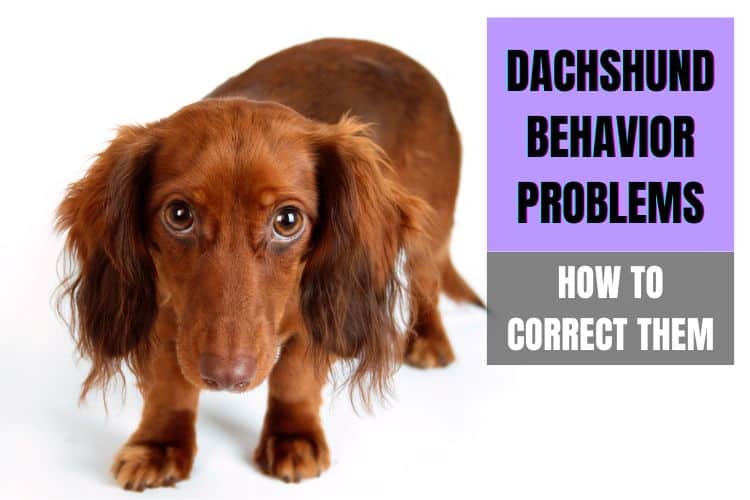
Ask any seasoned Doxie family and they’ll tell you the same thing: Dachshunds are wonderful, devoted, hilarious little dogs — and occasionally a complete handful.
That contradiction is baked right into the breed. The same hunting heritage that makes Dachshunds brave, clever, and endlessly entertaining also makes them barky, stubborn, prone to digging, and quick to decide they know better than you do. None of it means your dog is “bad” — it means your dog is a Dachshund doing exactly what Dachshunds were built to do.
In this guide, we’ll walk through the most common Dachshund behavior problems, explain why each one happens (the reason is almost always rooted in the breed’s history), and give you practical, force-free strategies to manage them. Whether you’ve got a new puppy testing every boundary or an older Doxie with a stubborn streak a mile wide, you’ll find a path forward here.
Quick Answer: Why Do Dachshunds Misbehave?
Most Dachshund behavior problems aren’t disobedience — they’re hunting instincts with nowhere to go. Barking, digging, chewing, and stubbornness all trace back to a breed designed to work independently underground, and they flare up when a Doxie is bored, under-exercised, or under-trained.
The fix is almost always the same recipe: more physical and mental exercise, consistent positive-reinforcement training, early socialization, and patience with that famous independent streak. Here’s the short version:
- Identify the root cause first — boredom, anxiety, instinct, or occasionally a medical issue.
- Meet the dog’s needs — a tired, mentally stimulated Doxie misbehaves far less.
- Reward what you want, never punish — punishment makes anxiety-driven behavior worse.
- Get professional help for aggression or anything that doesn’t improve.

What’s Normal Dachshund Behavior?
Before labeling anything a “problem,” it helps to know what’s simply typical for the breed. Dachshunds are sweet and devoted but also mischievous, energetic, and bursting with personality. They need daily exercise and mental engagement, or they’ll get restless and start inventing their own entertainment — usually at your furniture’s expense.
A few traits are essentially hardwired:
- Strong prey drive. Bred to hunt, they’re wired to chase squirrels, rabbits, and anything small and fast — so a secure leash and fenced spaces matter.
- Digging and burrowing. “Dachshund” literally means “badger dog”; they were built to tunnel after prey underground.
- Vocalness. Hunters needed a loud dog they could locate underground, so barking is a feature, not a bug.
- Independence. Working alone below ground meant making their own decisions — which reads as stubbornness at home.
Understanding these roots reframes the whole conversation: you’re not fighting a defiant dog, you’re redirecting a working breed’s instincts. The American Kennel Club’s history of the Dachshund as a badger dog is a great primer on where these behaviors come from.
Related post: Dachshund Temperament and Personality

Most Common Dachshund Behavior Problems
Like any dog, a Dachshund can develop habits that test your patience. The good news is that nearly all of them are manageable once you understand the trigger. Here are the issues Doxie families run into most.
Excessive Barking
Dachshunds are naturally vocal, but barking tips into a problem when it’s constant or disruptive. Common triggers are boredom, anxiety, alerting to passers-by, or simply a lack of training around when to stop. The fix combines more stimulation with teaching a reliable “quiet” cue and not accidentally rewarding the barking with attention.
Related post: Do Dachshunds Bark a Lot?
Digging
That burrowing instinct is strong, and a bored Doxie will happily excavate your garden or shred a blanket nest into the couch. Digging usually signals pent-up energy, anxiety, or under-supervision. Redirect it rather than suppress it: a dig pit, a snuffle mat, or a digging-friendly box gives the instinct a legal outlet.
Chewing
Chewing on shoes and furniture is common, especially in puppies. It’s usually driven by teething pain, boredom, or anxiety rather than spite. Provide a rotation of appropriate chew toys, puppy-proof tempting items, and make sure your dog is getting enough exercise so chewing isn’t their only outlet.
Related post: Do Dachshunds Bite?
Stubbornness & Housetraining
Dachshunds are famously strong-willed, which makes obedience and especially housetraining a real test of patience. Their independent nature means they’ll often weigh whether obeying is worth their while. Short, upbeat, reward-based sessions and an ironclad potty routine beat repetition and frustration every time.
Related post: Why Do Dachshunds Pee When Excited?
Territorial & Protective Behavior
Rooted in their guarding and hunting past, Dachshunds can be territorial and fiercely protective of home and family — barking or growling at strangers, visitors, or other animals. A little watchfulness is normal and even useful, but it becomes a problem when it tips into genuine aggression or fearfulness. Early, ongoing socialization is the single best preventive here.
Related post: Are Dachshunds Aggressive?
Shaking & Trembling
Dachshunds sometimes shake or tremble from intense emotion — excitement, anxiety, or a rush of adrenaline. Managing the trigger (calming an over-stimulating situation, building confidence) usually settles it.
⚠️ Shaking isn’t always emotional. Cold, pain, nausea, low blood sugar, or neurological issues can also cause trembling. If the shaking is new, frequent, or paired with other symptoms, check with your vet.
Related post: Why Do Dachshunds Shake?
Excessive Licking
Licking is a normal way dogs show affection and submission, but it can become compulsive — and compulsive licking of paws, surfaces, or themselves often points to anxiety, boredom, allergies, or pain. Address the underlying cause rather than just the symptom, and loop in your vet if your dog is licking one spot raw.
Related post: Why Do Dachshunds Lick So Much?

How to Correct Behavior Problems in Dachshunds
The master key to every Dachshund behavior problem is the same: figure out why it’s happening. That can take some detective work, since the same behavior can stem from boredom, anxiety, instinct, or a medical issue. Once you know the cause, these strategies do the heavy lifting.
Socialization
Dachshunds can be wary of strangers, other dogs, and unfamiliar situations, which fuels anxiety and territorial behavior. Early and ongoing socialization — positive, controlled exposure to many people, dogs, and environments — is the best long-term prevention. It’s never too late to start, just slower with an older dog.
Related post: Why Is Socialization So Important for Dachshunds?
Positive Reinforcement Training
This breed responds beautifully to reward-based methods — clicker training, treats, toys, and praise for the behaviors you want. Crucially, avoid punishment or physical force: it erodes trust and tends to worsen fear- and anxiety-driven problems. The ASPCA’s guidance on common dog behavior issues is a solid, force-free reference.
Exercise & Mental Stimulation
A huge share of “behavior problems” are really just an under-exercised dog. Dachshunds need daily walks, play, and brain work — puzzle feeders, scent games, training drills — to stay content. A tired Doxie is a well-behaved Doxie.
🚨 Protect that long back. Discourage jumping on and off furniture and avoid stairs where you can — exercise should be Dachshund-safe to reduce the risk of back injury (IVDD).
Address Separation Anxiety
Dachshunds bond hard and are prone to separation anxiety, which can drive barking, chewing, and accidents when they’re alone. Acclimate your dog gradually — short absences that you slowly extend — and leave engaging toys or food puzzles to keep them occupied. Severe cases benefit from professional guidance.
Related post: Separation Anxiety in Dachshunds
Seek Professional Help
If problems persist despite your best efforts — or if you see real aggression — bring in a qualified dog trainer or veterinary behaviorist. Specialized behavior-modification techniques can resolve issues that are genuinely hard to crack alone, and there’s no shame in asking for backup.

Why Are Dachshunds So Difficult?
Behind those soulful eyes is an independent, determined, highly intelligent little dog — and that combination is exactly what makes them a challenge for some families. Dachshunds need consistent training, daily exercise, and mental stimulation to stay well-behaved. Without that structure, those charming pups can turn stubborn, vocal, or destructive.
Do Dachshunds Have a Temper?
Some Dachshunds lean toward stubbornness, anxiety, or guarding behavior thanks to their breed history. Bred to hunt tenacious quarry like badgers, they had to be bold and independent — traits that show up today as digging, barking, and a strong will. Channeled well, that drive is a gift; ignored, it becomes “attitude.”
Related post: How Do You Calm an Anxious Dachshund?
Are Dachshunds Disobedient?
Not exactly — they’re independent thinkers, which can look like disobedience. Bred to make their own calls underground, away from a handler’s direction, Dachshunds are wired to follow their own judgment rather than automatically obey. They’re clever, so they learn quickly; they just need a compelling reason to cooperate. Patient, consistent, reward-based training is how you give them that reason.
Frequently Asked Questions
At what age do Dachshunds calm down?
Many Dachshunds start to mellow between 1 and 2 years old as they mature past puppyhood, though some keep their playful, spirited streak well into adulthood. Consistent exercise and training speed up the settling process more than simply waiting for age to do the work.
Why is my Dachshund suddenly misbehaving?
A sudden change in behavior is worth taking seriously. Common triggers include boredom, a change in routine, anxiety, or a new stressor at home, but pain and illness can also cause behavior shifts. If the change is abrupt or out of character, a vet check is wise to rule out a medical cause.
How do I stop my Dachshund from barking so much?
Identify what sets off the barking, then address it: more exercise and mental stimulation for boredom, desensitization for trigger-barking, and teaching a reliable “quiet” cue rewarded with treats. Avoid yelling, which a dog can read as you joining in. Persistent, anxiety-driven barking may need a trainer’s help.
Are Dachshunds hard to potty train?
They can be, thanks to their stubborn, independent nature and small bladders. The keys are a strict, consistent potty schedule, generous rewards for going in the right place, thorough cleanup of accidents with an enzymatic cleaner, and never punishing mistakes. Most get there with patience.
Why is my Dachshund so aggressive toward strangers?
This usually stems from their territorial, protective instincts combined with insufficient socialization. Early and ongoing positive exposure to new people and dogs helps a lot. For genuine aggression, work with a qualified trainer or veterinary behaviorist rather than trying to manage it alone.
Do Dachshunds get more attached to one person?
Yes, many Dachshunds bond especially closely with one favorite human, a trait tied to their loyal, companion-oriented nature. This devotion is lovely but can feed separation anxiety, so it helps to have the whole household share feeding, walking, and training duties.
Why does my Dachshund shake or tremble?
Trembling can come from strong emotion like excitement or anxiety, but also from cold, pain, nausea, low blood sugar, or neurological issues. Emotional shaking eases once the trigger is managed. New, frequent, or symptom-paired shaking should be checked by your vet.
Is it too late to train an older Dachshund?
No. Older Dachshunds can absolutely learn new behaviors; it may just take more patience and consistency than with a puppy. Positive reinforcement works at any age. The old saying about old dogs and new tricks simply isn’t true.
How much exercise does a Dachshund need?
Most adult Dachshunds do well with around 30 to 60 minutes of activity a day, split into walks and play, plus mental stimulation. Keep it back-friendly by discouraging big jumps and stairs. Under-exercised Doxies are far more likely to develop behavior problems.
Should I punish my Dachshund for bad behavior?
No. Punishment and physical force tend to increase fear and anxiety and can worsen the very behaviors you’re trying to fix. Reward-based training, redirection, and meeting your dog’s exercise and mental needs are far more effective and protect your bond.

Final Thoughts: Work With the Breed, Not Against It
Dachshunds are cherished for their big, loveable personalities — and those same personalities come with a few behavioral quirks that are pure breed heritage. Once you understand that the barking, digging, and stubbornness all trace back to a brave little hunting dog doing its job, managing them stops feeling like a battle and starts feeling like teamwork.
The key takeaways:
- Find the cause first — boredom, anxiety, instinct, or occasionally a medical issue.
- Exercise body and brain daily — a tired Doxie is a well-behaved Doxie.
- Use positive reinforcement — never punishment or force.
- Socialize early and often — it prevents fear and territorial aggression.
- Get professional help for aggression or anything that won’t budge.
Every Dachshund is an individual, and progress takes time and patience. But address issues early and consistently, and you’ll do more than fix the behavior — you’ll deepen the bond with your dog and set up a happier, healthier relationship for years to come.
Related post: Dachshund Temperament and Personality
Disclaimer: This article is for informational purposes only and is not a substitute for professional veterinary or behavioral advice. Sudden behavior changes or signs of aggression should be evaluated by a veterinarian or qualified behaviorist, as they may indicate an underlying medical or behavioral condition.