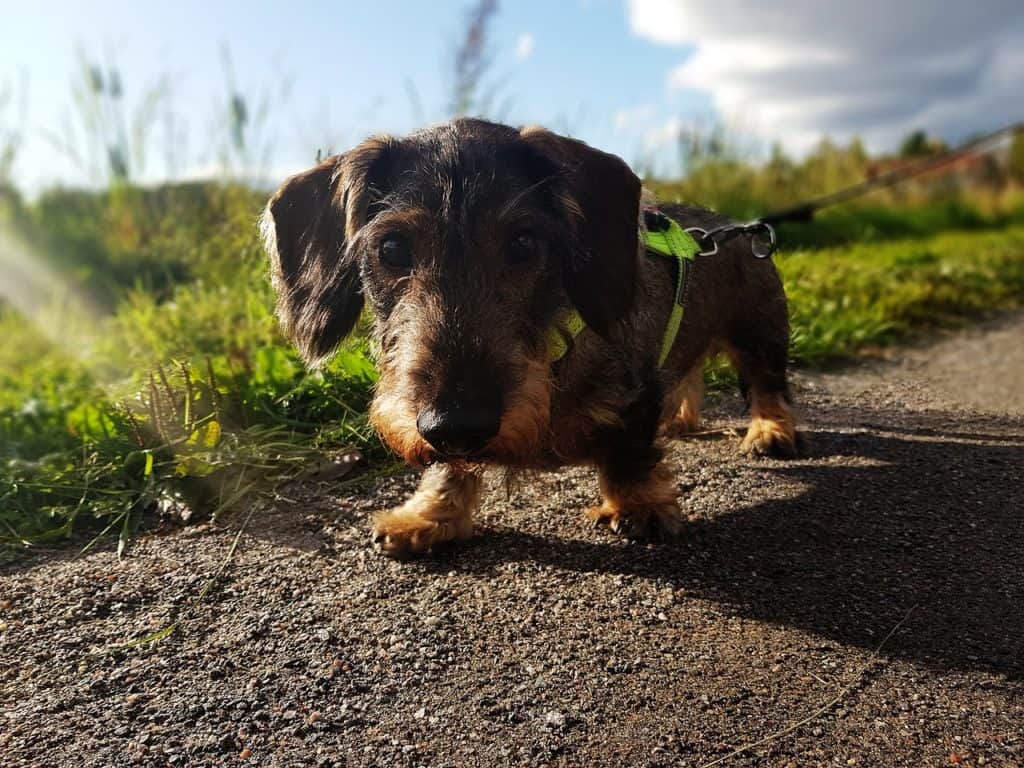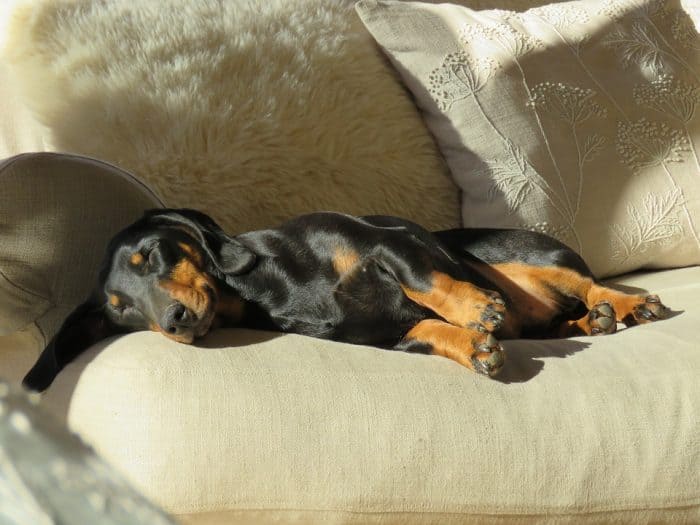
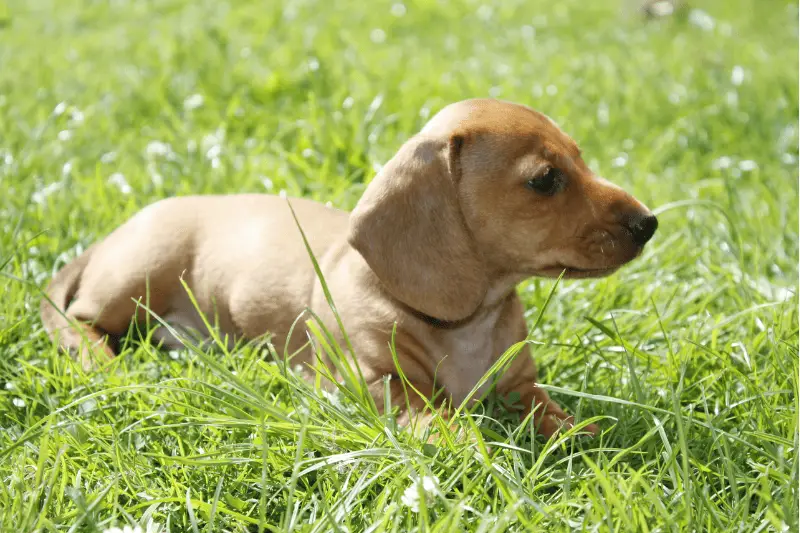
Thinking about bringing home a Miniature Dachshund? You’re looking at one of the most beloved small dog breeds in the world — and for good reason.
Mini Dachshunds (often called “Mini Doxies”) pack full-size personality into a tiny, 11-pounds-or-less body. They’re loyal, playful, surprisingly bold, deeply affectionate, and ideally suited to a wide range of homes — from city apartments to family houses with kids. But like every breed, they come with their own quirks, care requirements, and health considerations that owners should understand before committing.
This complete owner’s guide walks you through everything you need to know: their personality, size, exercise needs, health risks (including the all-important IVDD discussion), cost, grooming, life expectancy, and a clear-eyed look at whether the breed is the right fit for your specific household.
Quick Answer: Are Miniature Dachshunds Good Pets?
Yes — Miniature Dachshunds make wonderful pets for the right home. They’re loyal, affectionate, surprisingly bold, and adapt well to apartments and houses alike. Their compact size means lower food costs and exercise demands than larger dogs, and their playful, devoted personalities make them favorite companions across families, couples, and single owners.
That said, they’re not perfect for everyone. Mini Dachshunds:
- Are prone to serious back issues (IVDD) that can require expensive surgery
- Need patient training due to a famous stubborn streak
- Bark a lot compared to most small breeds
- Hate being alone for long periods (separation anxiety is common)
- Can be fragile around small children due to their delicate backs
If those trade-offs work for your lifestyle, you’ll find few more devoted companions in the dog world.
Related post: Standard Dachshund vs Miniature Dachshund
Mini Dachshund Pros & Cons at a Glance
| 👍 Pros | 👎 Cons |
|---|---|
| Loyal and deeply affectionate | Highly prone to IVDD (back problems) |
| Small size — great for apartments | Stubborn — challenging to train |
| Big personality in a small body | Loud, frequent barking |
| Generally good with other pets when socialized | Prone to separation anxiety |
| Long lifespan (12–16 years) | Can be fragile around small children |
| Moderate exercise needs | Prone to obesity if overfed |
| Lower food and care costs than large breeds | Pet insurance and back-safety setup add upfront cost |
| Excellent watchdogs | Difficult to potty train |
Related post: Are Dachshunds Good for First-Time Owners?

Mini Dachshund Personality & Temperament
Don’t let their tiny size fool you — Miniature Dachshunds have full-sized Dachshund personalities. They’re the same bold, stubborn, devoted, mischievous little hounds as their larger Standard cousins, just in a more portable package.
Classic Mini Doxie personality traits:
- Loyal and devoted — often bond especially intensely with one person
- Bold and fearless — will face down dogs many times their size
- Curious and clever — they’re surprisingly smart problem-solvers
- Independent and stubborn — hunting heritage means they’ll challenge your training
- Playful and energetic — high energy in short bursts, followed by nap time
- Vocal — they bark, and their bark is loud for their size
- Affectionate — love to cuddle and stay close to their humans
- Watchful — they alert to every doorbell, leaf, and passing pedestrian
According to the American Kennel Club, the Dachshund breed (including Miniatures) is described as “lively, courageous to the point of rashness, and obedient” — a fair description of the breed’s complex character. They’re loving lap dogs and determined hunters at the same time.
Related post: Miniature Dachshund Temperament: What Are They Like?
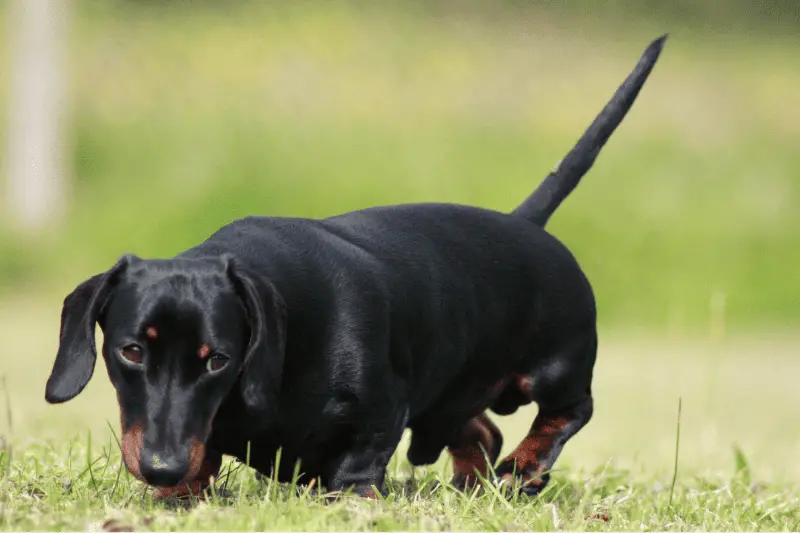
Do Mini Dachshunds Calm Down With Age?
Yes — most Mini Dachshunds become noticeably calmer with age. The high-energy puppy and young-adult phase typically extends from 3 months to about 3 years, with the most extreme energy levels usually between 6 months and 2 years.
What to expect as your Doxie ages:
| Age | Energy Level |
|---|---|
| Puppy (0–12 months) | Very high — frequent zoomies, lots of play |
| Young adult (1–3 years) | High — still very playful and energetic |
| Adult (3–7 years) | Moderate — calmer but still playful |
| Mature (7–10 years) | Lower — preference for cuddles over chases |
| Senior (10+ years) | Calm — naps, gentle walks, lap time |
Genetics, health, and lifestyle all influence the timing. Dogs that get regular exercise and mental stimulation tend to mellow more gracefully — a bored Doxie can stay hyperactive much longer.
Do Mini Dachshunds Like to Be Held & Cuddled?
Most do — but it varies by individual. Many Mini Dachshunds are famous “velcro dogs” who want to be near their humans constantly. They’ll often follow you from room to room, curl up on your lap whenever possible, and burrow under blankets at every opportunity.
However, some Miniature Dachshunds:
- Prefer sitting next to you rather than being picked up
- Like cuddles on their terms (not when you randomly decide)
- Tolerate being held but prefer lap time
- Develop preferences as they age
If you’re hoping for a “lap dog” specifically, look for puppies and adults that show affection-seeking behavior during interactions. And remember: always lift a Mini Dachshund properly — one hand supporting the chest, one hand supporting the rear, never by the armpits alone. Improper lifting is a leading cause of back injury.
Related post: Do Dachshunds Like to Cuddle?
How Big Do Miniature Dachshunds Get?
Per AKC breed standards:
| Measurement | Miniature Dachshund | Standard Dachshund |
|---|---|---|
| Adult weight | 11 lbs or less (typically 6–11 lbs) | 16–32 lbs |
| Shoulder height | 5–6 inches | 8–9 inches |
| Body length | 12–15 inches | 21–25 inches |
Mini Doxies reach full size around 10–12 months of age, though they continue filling out and developing adult muscle through about 18 months.
Related post: When Do Miniature Dachshunds Stop Growing?
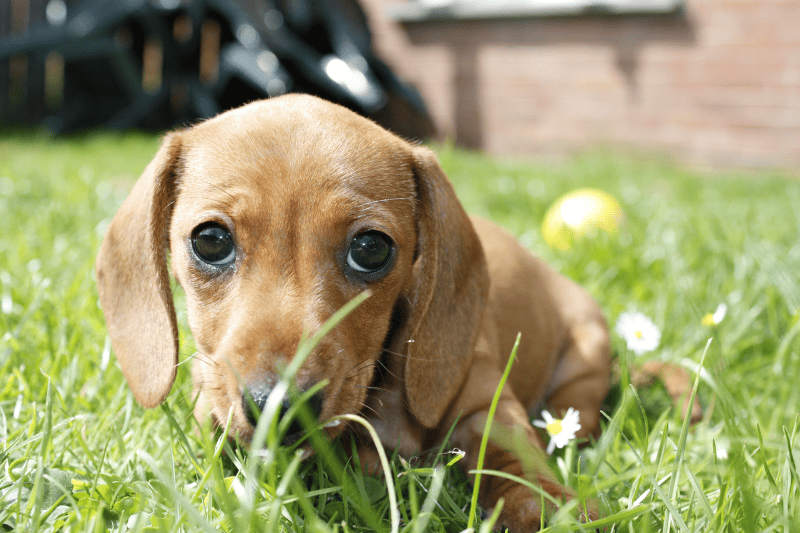
Miniature Dachshund Weight Chart by Age
Mini Dachshund puppies grow quickly during their first year. Here’s an approximate weight chart to help you track your puppy’s growth:
| Age (months) | Average Weight (lbs) |
|---|---|
| 1 month | 1.5–3 lbs |
| 2 months | 2.5–5 lbs |
| 3 months | 3–8 lbs |
| 4 months | 4–9.5 lbs |
| 5 months | 5–11.5 lbs |
| 6 months | 6–12.8 lbs |
| 7 months | 7–14 lbs |
| 8 months | 7.5–14.9 lbs |
| 9 months | 7.5–15 lbs |
| 10 months | 8–15.7 lbs |
| 11 months | 11–16 lbs |
| 12 months | 11–16 lbs (adult weight) |
Ranges are wide because Mini Dachshunds vary considerably depending on parent size, sex, and overall body type. Always discuss your puppy’s growth curve with your vet, who can confirm they’re growing on a healthy trajectory.
Related post: How Big Do Dachshunds Get?
Exercise & Activity Needs
Mini Dachshunds need 30–45 minutes of daily activity, ideally split into two sessions. Despite their small size, they’re surprisingly energetic and need real exercise to stay healthy and behaviorally balanced.
Good exercise options:
- Two daily walks of 15–25 minutes each
- Sniff time — let them follow their nose for mental stimulation
- Fenced-yard play — controlled chase games and exploring
- Indoor games — hide-and-seek, puzzle toys, fetch
- Gentle off-leash play in secure areas
⚠️ Critical: Protect Their Back
The single most important rule: avoid activities that stress their long spine. Don’t allow:
- Jumping on or off furniture (use a dog ramp for couches, beds, and cars)
- Running up and down stairs
- Rough play with larger or rough-housing dogs
- High-impact games like jumping for frisbees
- Being lifted improperly (always support both ends)
Use a padded body harness instead of a collar — neck pressure can affect the spine. And invest in an orthopedic dog bed to support their back during their many naps.
Related post: A Guide to Dachshund Diet and Exercise
Health Considerations
Mini Dachshunds are generally healthy, with a long lifespan — but they’re predisposed to several specific conditions every owner should know about.
The Big One: Intervertebral Disc Disease (IVDD)
This is the most important health issue in the breed. According to the American Kennel Club, around 1 in 4 Dachshunds will experience some form of IVDD during their lifetime. The condition causes spinal discs to bulge or rupture, pressing on the spinal cord — resulting in pain, weakness, or even paralysis.
Treatment ranges from strict crate rest with pain medication to emergency surgery costing $3,000–$8,000+. The good news: IVDD is largely preventable with proper care (no jumping, lean body weight, ramps, careful lifting, harness over collar).
Other Common Health Issues
- Obesity — extra weight dramatically increases IVDD risk
- Dental disease — small jaws often have crowded teeth
- Patellar luxation — kneecap dislocation
- Eye conditions — progressive retinal atrophy, cataracts
- Hypothyroidism — relatively common in older Doxies
- Cushing’s disease — adrenal hormone disorder, more common in seniors
- Epilepsy — uncommon but possible
- Von Willebrand’s disease — a bleeding disorder, screenable with DNA testing
- Ear infections — long floppy ears are prone to trouble
Regular vet checkups (annually for adults, twice yearly for seniors) catch most issues early, when they’re most treatable.
Related post: Common Health Problems in Dachshunds
Life Expectancy
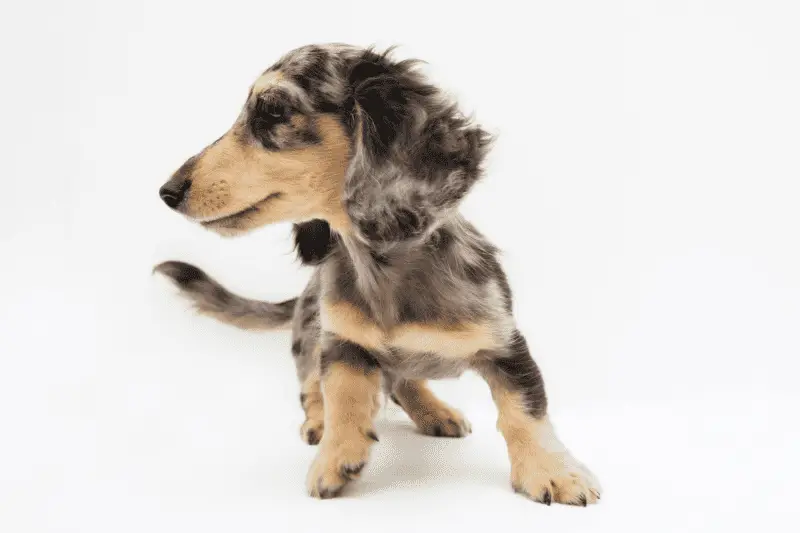
Miniature Dachshunds typically live 12 to 16 years — among the longer-lived dog breeds. With excellent care, some Mini Doxies have been known to reach 18, 19, or even 20 years.
Factors that influence lifespan:
- Genetics — quality breeding matters
- Diet and weight management — lean dogs live longer
- Exercise — appropriate activity supports longevity
- Dental care — periodontal disease shortens lifespan
- Prevention of back injury — major IVDD events can affect overall health
- Regular veterinary care — catching issues early
- Spay/neuter status — and the timing of it (discuss with your vet)
Bringing a Mini Dachshund into your home is a multi-decade commitment. Make sure you’re prepared for the long haul.
Related post: How Long Do Dachshunds Live?
Diet, Feeding & Weight Management
Diet is one of the most important factors in a Mini Dachshund’s long-term health — primarily because obesity dramatically increases the risk of IVDD and many other health issues.
What to Feed
Look for a quality small-breed dog food with:
- Named animal protein as the first ingredient (chicken, salmon, beef, etc.)
- AAFCO-compliant labeling for “complete and balanced” nutrition
- Omega-3 and omega-6 fatty acids for skin, coat, and joint health
- Appropriate calorie density for small breeds
- Limited fillers and no artificial colors
Consider adding an omega-3 or joint supplement to support spinal and joint health long-term.
Portion Sizes & Schedule
| Life Stage | Meals Per Day | Typical Daily Amount |
|---|---|---|
| Puppy (under 6 months) | 3–4 | Per puppy food label, by weight |
| Young adult (6–12 months) | 2–3 | 1/2–1 cup total |
| Adult (1–7 years) | 2 | 1/2–1 cup total |
| Senior (7+ years) | 2 | 1/3–3/4 cup total (slightly less) |
Exact portions depend on activity level, metabolism, and individual needs. Your vet is the best source for personalized recommendations.
Avoiding Obesity
Mini Dachshunds gain weight easily. To keep yours lean:
- Measure food precisely — eyeballing leads to overfeeding
- Limit treats to 10% of daily calories max
- Use low-cal training treats like single-ingredient freeze-dried meats
- Feel for the ribs — they should be palpable with light pressure
- Weigh monthly and report concerns to your vet
Related post: The Best Dog Food for Dachshunds
Grooming, Shedding & Maintenance
Mini Dachshunds are relatively low-maintenance, especially compared to long-coated or double-coated breeds. The exact grooming routine depends on coat type:
| Coat Type | Shedding | Brushing Frequency | Special Needs |
|---|---|---|---|
| Smooth-haired | Moderate year-round | 1–2x per week | Simple — quick brush and occasional bath |
| Long-haired | Moderate with seasonal blow-outs | 3–4x per week | Prone to mats; needs detangling |
| Wire-haired | Least shedding of three | 2x per week | Periodic hand-stripping ideal; beard care needed |
Use a soft pin brush for everyday grooming. Bathe every 6–8 weeks — over-bathing dries the skin. Don’t forget weekly ear checks (Doxies are prone to ear infections), nail trims every 2–4 weeks, and ideally daily teeth brushing.
Related post: Do Dachshunds Need Grooming?
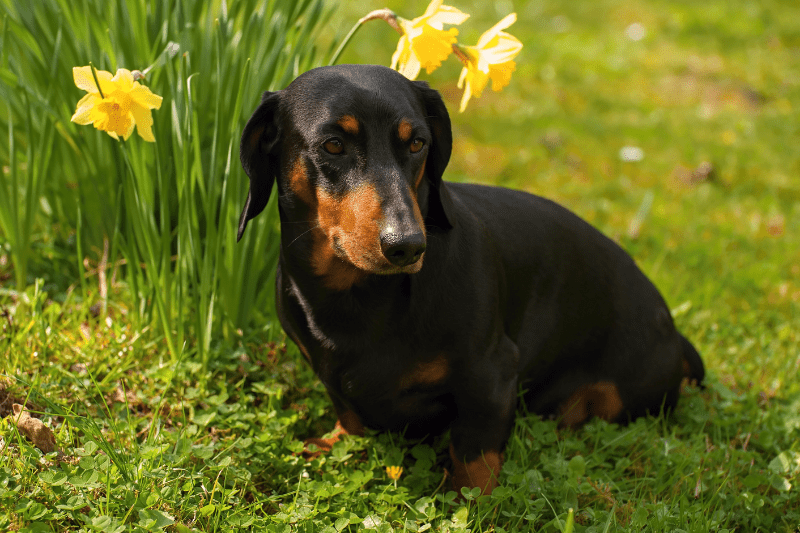
Are Mini Dachshunds Hypoallergenic?
No — Miniature Dachshunds are not hypoallergenic.
According to the Asthma and Allergy Foundation of America, no dog breed is truly 100% hypoallergenic. Pet allergies are triggered by proteins in dander, saliva, and urine — not just fur. Since all dogs produce dander, all dogs can trigger allergies.
Mini Dachshunds:
- Shed moderately year-round
- Produce dander like any other dog
- Aren’t recommended for people with significant pet allergies
That said, some owners with mild allergies do tolerate them well — especially wire-haired Minis, which shed the least of the three coat types. Always spend time around the breed before committing.
Related post: Dog Allergies: Are Dachshunds Hypoallergenic?
Do Mini Dachshunds Bark a Lot?
Yes — Mini Dachshunds are notorious barkers, and their bark is surprisingly loud and deep for their size. This trait is hardwired from their hunting heritage: they were bred to bark loudly so hunters could locate them while they were working underground.
Common barking triggers:
- Doorbells, deliveries, and visitors
- Other dogs, squirrels, or wildlife
- Unfamiliar sounds (cars, footsteps, neighbors)
- Separation anxiety when left alone
- Boredom
- Wanting attention or food
- Excitement during play
While you can’t eliminate barking entirely, you can manage it with:
- Consistent training from puppyhood (teach “quiet” commands)
- Adequate exercise — a tired Doxie barks less
- Mental stimulation — puzzle toys, training games
- Desensitization to common triggers
- Addressing separation anxiety with gradual alone-time training
- Professional help for excessive or anxiety-driven barking
If you live in an apartment or share walls with neighbors, factor in that your Doxie will alert-bark at most disturbances — and plan accordingly.
Related post: Do Dachshunds Bark a Lot?
Are Mini Dachshunds Aggressive?
Most well-socialized Mini Dachshunds are not aggressive — they’re affectionate, devoted companions. However, the breed does have a reputation for occasional defensive behavior, and there’s some truth behind it.
Common Mini Dachshund behavior patterns:
- Bold and confident — they’ll stand up to dogs many times their size
- Protective of their humans — sometimes overly so
- Wary of strangers until properly introduced
- Possessive of resources (food, toys, people) without training
- Snappy if mishandled — especially when in pain (back issues!)
The keys to a well-behaved Mini Dachshund are:
- Early socialization with people, animals, and environments
- Consistent positive-reinforcement training from puppyhood
- Setting clear boundaries about resource guarding
- Respecting their physical sensitivity — don’t allow rough handling, especially by kids
- Recognizing pain signals — many “aggressive” episodes are actually pain responses
Related post: Are Miniature Dachshunds Aggressive?
Cost of Owning a Mini Dachshund
Mini Dachshund ownership has both upfront and ongoing costs.
Upfront Cost (Purchase or Adoption)
| Source | Typical Cost |
|---|---|
| Reputable breeder (standard colors) | $1,500–$3,000 |
| Reputable breeder (rare colors) | $2,500–$5,000+ |
| Dachshund-specific rescue | $200–$500 |
| General shelter adoption | $100–$400 |
Setup Costs (First Year)
- Crate, bed, ramps: $150–$400
- Food, bowls, leash, harness, collar: $100–$250
- Toys, treats, training supplies: $100–$200
- Initial vet exams, vaccinations, spay/neuter: $400–$1,000
- Pet insurance setup: $30–$80/month
- Training (group classes): $150–$400
Ongoing Annual Cost
Plan for $1,500–$3,000+ per year for food, vet care, preventatives, grooming, supplies, boarding, and pet insurance — not including any emergency vet bills or IVDD-related surgery.
Related post: Are Dachshunds Expensive to Own?
Pet Insurance for Mini Dachshunds
Yes, you should strongly consider pet insurance for a Mini Dachshund — more so than for most breeds.
The reason: IVDD. As mentioned, around 1 in 4 Dachshunds will experience back issues during their lifetime, and surgical treatment can cost $3,000–$8,000+. Without insurance, that’s a major financial decision in the middle of a medical emergency. With insurance, you can focus on saving your dog instead of stressing over money.
Important tips on Mini Dachshund pet insurance:
- Get insurance BEFORE any symptoms appear. Most policies exclude pre-existing conditions, and a single IVDD episode can disqualify your Doxie from comprehensive coverage forever.
- Look for plans that specifically cover IVDD — some policies exclude it for high-risk breeds.
- Avoid plans with lifetime caps on hereditary conditions.
- Compare deductibles, reimbursement rates, and annual limits.
- Sign up while your Doxie is a puppy — premiums are lower and there are no exclusions.
Is a Mini Dachshund Right for You?
Here’s an honest assessment to help you decide.
A Mini Dachshund Might Be Right For You If:
- You want a small but personality-packed companion
- You live in a house or apartment (both work)
- You can offer regular human company (they hate being alone for long)
- You’re committed to back-safe practices (ramps, harness, no jumping)
- You have patience for training a stubborn breed
- You can budget for potential IVDD costs and pet insurance
- You’re prepared for a 12–16 year commitment
- You’re OK with regular barking
A Mini Dachshund Might NOT Be Right For You If:
- You have very young children (under 5–6) who may handle the dog roughly
- You’re often away from home for 8+ hours daily
- You can’t afford potential IVDD treatment ($3,000–$8,000+)
- You live somewhere with strict noise restrictions
- You want a dog you can train quickly and easily
- You have other small pets like rabbits or hamsters (prey drive)
- You can’t commit to long-term care for an aging dog
- You can’t or won’t use ramps and harnesses
Frequently Asked Questions
Are Miniature Dachshunds good for first-time dog owners?
They can work for first-time owners, but with caveats. Their stubborn streak makes training challenging, and their IVDD risk means you need to commit to specific back-safe practices. If you’re prepared to do your homework and stay patient, a Mini Doxie can be a wonderful first dog.
Are Mini Dachshunds high maintenance?
Not particularly. Day-to-day care is moderate: brushing once or twice a week, daily walks, regular vet visits, and ongoing back-safety practices. The biggest “maintenance” is preventive — keeping them lean, avoiding jumps, and providing ramps.
Do Mini Dachshunds get along with children?
They can, but with caution. Their delicate backs make them vulnerable to injury from rough handling, and they may snap if scared or hurt. They’re generally better with older, gentler children (8+) who understand how to handle small dogs respectfully.
Are Mini Dachshunds good apartment dogs?
Yes — small size and moderate exercise needs make them well-suited to apartments. The main caveat is barking; check your building’s noise tolerance before committing.
Can Mini Dachshunds be left alone?
Not for long. Mini Dachshunds are highly prone to separation anxiety. 4 hours is typically the longest most adults can tolerate comfortably; 6+ hours regularly can cause behavioral problems. Daycare or dog walkers help if you work full-time outside the home.
Are Mini Dachshunds easy to train?
Honestly, no — they’re famously stubborn. They’re intelligent and capable of learning, but require consistent positive-reinforcement training, patience, and lots of treats. Potty training can be especially challenging.
How often should Mini Dachshunds see the vet?
Annual wellness exams for adults, and twice-yearly checkups for puppies and seniors (7+ years). Any signs of back pain, lameness, or sudden behavior changes warrant an immediate visit.
Do Mini Dachshunds need lots of toys?
Mental stimulation is important to prevent boredom barking and destructive behavior. A rotation of 8–10 toys (chew toys, puzzle toys, tug toys, soft toys) is plenty. Rotate them weekly to keep things fresh.
What’s the difference between Mini and Standard Dachshunds?
Size, mainly. Standards weigh 16–32 lbs while Minis weigh 11 lbs or less. Personalities are similar across both sizes, though Standards may be slightly mellower. Standards were bred for badger hunting; Minis were bred for rabbits.
Should I adopt a Mini Dachshund or buy from a breeder?
Both are good options. Adoption (from breed-specific rescues like DRNA — Dachshund Rescue of North America) saves a dog and costs less. Breeder purchases give you puppy socialization control and known parentage. Whatever you choose, never buy from pet stores or backyard breeders — they often source from puppy mills.
Affiliate disclosure: This post contains Amazon affiliate links. If you click through and make a purchase, we may earn a small commission at no extra cost to you. We only recommend products we believe in — and your support helps keep Dachshund Central running. Thank you!
Final Thoughts: Big Personality in a Tiny Package
Miniature Dachshunds are genuinely wonderful pets for the right home — devoted, affectionate, surprisingly clever, and packed with more personality than most dogs three times their size. They make excellent apartment dwellers, loving family members, and devoted companions through 12–16 years of life.
The key takeaways:
- They’re moderate-maintenance dogs — not “easy,” but not overly demanding either.
- IVDD is the biggest health risk — get pet insurance and commit to back-safe practices.
- They’re stubborn — patient, positive training works best.
- They bark — embrace it or train management strategies.
- They need human company — long alone-time isn’t their friend.
- Their personality is wonderful — bold, loyal, affectionate, and endlessly entertaining.
If you’ve read this far and the trade-offs sound workable for your life, a Miniature Dachshund will likely be one of the best companions you’ll ever have. Get ready for years of velcro-dog love, hilarious antics, and the unmatched joy of life with one of the most charming small dogs ever bred.
Related post: Dachshund Adoption: What to Expect
Disclaimer: This article is for informational purposes only and is not a substitute for professional veterinary advice. For specific guidance on your Miniature Dachshund’s health, training, or care, consult a licensed veterinarian, certified trainer, or reputable Dachshund breeder.