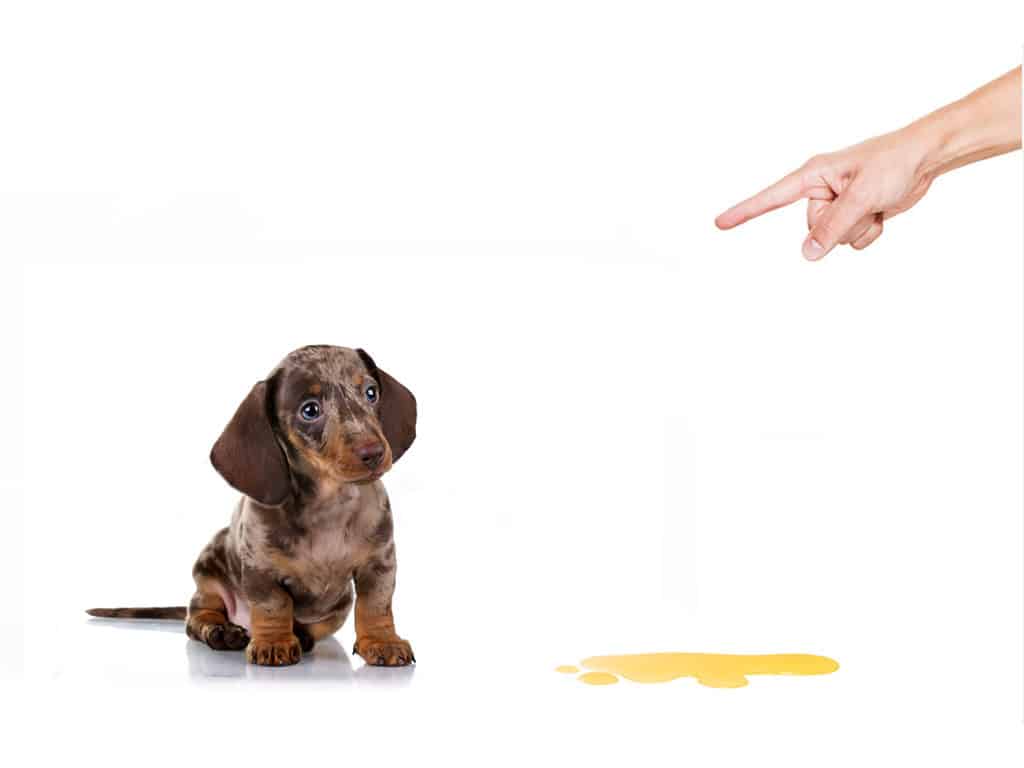
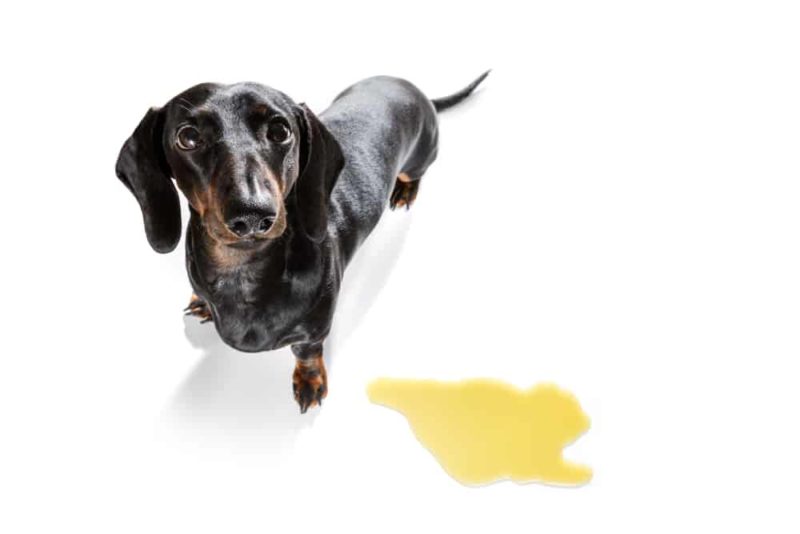
If you’ve ever walked into a room to find a fresh puddle and a Doxie wearing the world’s most innocent expression, you are very much not alone.
A Dachshund peeing everywhere is one of the most common frustrations Doxie families bring to us — and it’s also one of the most fixable, once you understand what’s actually driving it. The trick is that “my dog keeps peeing in the house” is rarely a single problem. It can be a training gap, an emotional response, a marking habit, or a genuine medical issue hiding in plain sight.
In this guide, we’ll walk through every common reason your Dachshund might be urinating indoors — the behavioral causes, the medical ones, and the age-related ones — then give you a clear, step-by-step plan to get things back under control. By the end, you’ll know what to watch for, when to call your vet, and how to stop the accidents for good.
Quick Answer: Why Is My Dachshund Peeing Everywhere?
Most indoor peeing comes down to one of three things: incomplete potty training, an emotional trigger (anxiety, excitement, marking, or submission), or an underlying medical problem.
The single most useful thing you can do first is rule out a medical cause — especially if a previously house-trained adult or senior Doxie suddenly starts having accidents. Once health is off the table, you can focus on behavior and training. Here’s the short version:
- Puppies usually pee indoors because of weak bladder control plus excitement or submission — and they typically grow out of it.
- Adult dogs often pee from marking, anxiety, or a gap in their potty routine.
- Senior dogs or any dog with a sudden change in habits should see a vet to rule out a urinary tract infection (UTI), diabetes, or incontinence.
- A consistent potty schedule fixes or improves the majority of behavioral cases.
Behavioral Reasons Dachshunds Pee Indoors
Dachshunds are famously emotional, sensitive little dogs — a trait that comes straight from their independent, bred-to-work heritage. When their feelings get the better of them, the result is sometimes a puddle. Here are the four behavioral culprits you’re most likely to run into.
1. Separation Anxiety
Anxiety is a powerful bladder trigger, and separation anxiety — distress at being left alone — is one of the most common forms in Doxies. This breed bonds intensely with its people, so being left for long stretches can tip a sensitive dog into stress urination. You’ll often see other signs alongside it: pacing, whining, destructive chewing, or accidents that happen only when you’re gone. Puppies still learning the ropes of house training are especially prone to this.
2. Urine Marking
Marking is about territory, not a full bladder. A dog leaves small amounts of urine to claim space and feel more secure in their environment — an instinct inherited from wild ancestors who used scent to warn others away. Marking is more common in intact (unneutered) dogs, in multi-pet homes, and in rescues or former strays who picked up the habit early. The tell-tale sign is small, deliberate deposits on vertical surfaces or new objects rather than a big squat-and-go puddle.
3. Submissive Urination
Submissive urination happens when a dog feels intimidated or anxious and releases a little urine as a peace offering. It’s frequently triggered by a person the dog finds overwhelming, by looming body language, or by scolding. This is most common in puppies and in dogs with a history of harsh handling or past trauma. The key insight here: punishment makes it dramatically worse, because the behavior is a fear response.
4. Excitement Peeing
At the happier end of the spectrum, some Doxies leak a little when they’re thrilled — usually during greetings, play, or the moment you walk through the door. Because excited dogs also tend to wiggle and spin, you may get sprayed along with the furniture. It looks like a training failure, but it’s really just an overflow of joy meeting an immature bladder.
Related post: Why Is My Dachshund Puppy Out of Control?
Why Does My Dachshund Puppy Pee When Excited?
Excitement peeing is an instinctive, involuntary response to a strong trigger — and it shares its roots with submissive urination. In a dog’s social world, lower-ranking members naturally show deference to those they look up to, and a happy little Doxie greeting their favorite human is a perfect storm of emotion. Add in a puppy’s still-developing bladder control, and a small leak is almost inevitable.
Do Dogs Grow Out of Excited Peeing?
The good news: yes, most do. As your puppy grows more confident, settles into the household, and gains real bladder control, excitement peeing usually fades on its own. Consistent potty training speeds this along by reinforcing where and when it’s appropriate to go. To help in the meantime, keep greetings calm and low-key, take your puppy out to potty before the big hello, and avoid towering over or making a fuss until the wiggles settle.
📘 Want the full training picture? Check out our complete Dachshund Training Guide — covering house training, schedules, and the breed’s famous stubborn streak.
Medical Reasons Behind Excessive Peeing
If a previously reliable adult or senior Doxie suddenly starts having accidents, treat it as a medical question first and a training question second. Dogs can’t tell us when something hurts, so a change in bathroom habits is often the earliest clue that something’s wrong. Here are the common culprits.
| Possible cause | What’s going on | Other signs to watch for |
|---|---|---|
| Urinary tract infection (UTI) | Inflammation makes the bladder feel urgent and full, leading to frequent small attempts. | Straining, licking, blood-tinged urine, whimpering while peeing. |
| Diabetes | Excess blood sugar pulls extra water into the urine, causing increased thirst and urination. | Drinking a lot more, weight loss despite normal appetite, lethargy. |
| Incontinence (often age-related) | Weakening bladder control means leaks happen without the dog realizing. | Wet bedding, dribbling while resting, more common in seniors and spayed females. |
| Gastrointestinal upset | Gas, constipation, or pressure near the bladder can trigger more frequent urination. | Bloating, changes in appetite or stool, visible discomfort. |
| Recent spay/neuter | Post-surgery discomfort or hormone-responsive incontinence can cause temporary accidents. | Recent surgery, holding urine, leaking while sleeping. |
| Diet changes | New ingredients or higher water/sodium content can increase how much your dog drinks and pees. | Recent food switch, looser stools, increased thirst. |
Hormone-responsive incontinence after spaying and age-related urinary incontinence are both well-documented and, importantly, often treatable — so they’re worth raising with your vet rather than simply accepting as the new normal.
Related post: How Do I Stop My Dachshund Puppy From Biting?
Red Flags: When to Call the Vet Right Away
Most indoor peeing isn’t an emergency — but some patterns genuinely are. Don’t wait it out if you notice any of the following, as they can signal infection, blockage, or a metabolic problem that needs prompt care.
🚨 Call your vet promptly if your Dachshund is straining to urinate, producing little or no urine, or showing blood in the urine — a urinary blockage is a medical emergency.
- Sudden, dramatic increase in drinking and peeing — a classic sign of diabetes or kidney issues.
- Blood in the urine, or crying/straining while peeing — points to infection, stones, or blockage.
- Accidents in a fully house-trained adult that appear out of nowhere — almost always worth a checkup.
- Leaking while sleeping or resting — suggests incontinence rather than a behavior issue.
- Lethargy, vomiting, or appetite changes alongside the peeing — get seen the same day.
⚠️ When in doubt, a quick urine sample at the vet rules out the most common medical causes fast — and it’s far cheaper than guessing.
How to Stop Your Dachshund From Peeing in the House
Once you understand the cause, the fix usually follows a clear path. Work through these steps in order — and remember that Doxies are stubborn by design, so patience and consistency beat frustration every time.
- Rule out medical causes first. Book a vet visit, especially for any sudden change in a house-trained dog. Treating a UTI, adjusting a diet, or managing a condition like diabetes can resolve the problem at the source.
- Tighten up the potty schedule. Take your Doxie out at the same predictable times — first thing in the morning, after meals, after naps, after play, and last thing at night — plus every couple of hours for young puppies. A consistent routine does more heavy lifting than any other single change.
- Reward the right behavior. Praise and treat immediately when your dog goes outside, so the desired spot becomes the rewarding one. Catch them doing it right far more often than you catch them doing it wrong.
- Clean accidents with an enzymatic cleaner. Regular household cleaners leave a scent dogs can still detect, which invites repeat offenses. Enzyme-based cleaners break down the odor completely.
- Desensitize emotional triggers. For excitement or submissive peeing, keep arrivals calm, crouch sideways rather than looming, and gradually expose your dog to the trigger at a low, manageable level. For separation anxiety, build up alone-time slowly and consider a vet or trainer’s help for severe cases.
- Never punish accidents. Scolding increases fear and almost always makes submissive and anxiety-related peeing worse. Calmly clean up and redirect to the routine.
- Consider neutering for marking. If an intact dog is marking, talk to your vet — neutering reduces marking in many (though not all) dogs.
It’s absolutely possible to regain control. With the cause identified and a consistent plan in place, most families see real improvement within a few weeks.
Related post: Dachshund Training Guide: Tips & Tutorials to Train a Dachshund
Frequently Asked Questions
At what age should a Dachshund be fully potty trained?
Most Dachshunds are reliably house-trained by 6 to 12 months, though some take a little longer thanks to the breed’s stubborn streak and small bladder. Consistency matters more than the calendar — a steady routine gets you there faster than a dog’s age alone.
Why is my house-trained Dachshund suddenly peeing in the house?
A sudden change in a previously reliable dog is the classic signal to see your vet. The most common medical culprits are urinary tract infections, diabetes, and age-related incontinence. Once health is ruled out, look at recent changes in routine, stress, or a new pet or person in the home.
How often does a Dachshund need to pee?
As a rough guide, adult dogs can typically hold it for about 6 to 8 hours, while puppies need to go far more often — roughly every 1 to 2 hours, plus after meals, naps, and play. Seniors often need more frequent breaks again. Expecting a young puppy to last all day is a setup for accidents.
Do male Dachshunds pee more than females?
Intact male dogs are more likely to mark — leaving frequent small deposits to claim territory — which can look like excessive peeing. Females and neutered males mark less. The behavior is driven more by hormones and habit than by sex alone.
Will neutering stop my Dachshund from peeing in the house?
Neutering reduces marking behavior in many dogs, especially if done before the habit becomes ingrained, but it isn’t a guaranteed fix and won’t address training gaps or medical causes. Discuss timing and expectations with your vet.
How do I stop my Dachshund from peeing when excited?
Keep greetings calm and brief, take your dog out to potty before any exciting event, and avoid bending over or making a big fuss until they settle. Most puppies outgrow excitement peeing as their bladder control matures.
Can stress or anxiety make my Dachshund pee indoors?
Yes. Anxiety, especially separation anxiety, is a common trigger for indoor accidents in this sensitive breed. Building up alone-time gradually, providing enrichment, and keeping a predictable routine all help. Severe cases benefit from a vet or qualified trainer’s input.
What’s the best way to clean dog urine so my Dachshund stops going there?
Use an enzymatic cleaner made for pet urine. Ordinary cleaners leave behind a scent that dogs can still smell, which encourages them to re-mark the same spot. Enzyme cleaners break the odor down completely.
Is it normal for senior Dachshunds to start having accidents?
It’s common but not something to simply accept. Age-related incontinence, weakening bladder control, and conditions like kidney disease or diabetes all become more likely with age. Many of these are treatable, so a vet visit is well worth it.
Should I punish my Dachshund for peeing in the house?
No. Punishment increases fear and tends to make submissive and anxiety-related peeing worse, while doing nothing to fix the underlying cause. Calmly clean up, reward correct potty trips outside, and stick to your routine.
Final Thoughts: Every Puddle Has a Cause — and a Fix
A Dachshund peeing everywhere can feel maddening, but it’s almost never random. There’s always a reason behind it, and once you find that reason, the solution tends to follow. Be patient with your Doxie, lean on your vet for the medical side, and trust that consistency will win out over that famous stubborn streak.
The key takeaways:
- Rule out medical causes first — especially for any sudden change in a house-trained dog.
- Identify the behavioral driver — anxiety, marking, submission, or excitement each need a different approach.
- Lean on a consistent potty schedule — it solves or improves most behavioral cases.
- Never punish accidents — it makes fear-based peeing worse, not better.
- Watch for red flags — straining, blood, or a sudden spike in drinking means call the vet now.
Every Doxie is an individual, so stay attentive to your dog’s particular needs and adjust as you go. With a little detective work and a lot of love, you’ll get to a happy, accident-free home — and your Dachshund will be all the more comfortable for it.
Related post: Dachshund Training Guide: Tips & Tutorials to Train a Dachshund
For trusted, vet-reviewed background on the topics in this article, see the ASPCA’s guidance on common dog behavior issues and VCA Animal Hospitals’ overview of urinary incontinence in dogs.
Disclaimer: This article is for informational purposes only and is not a substitute for professional veterinary advice. Any sudden or persistent change in your Dachshund’s urination should be evaluated by a licensed veterinarian, as it may indicate a medical condition requiring treatment.