Tiny body, enormous personality — that’s the Miniature Dachshund in a nutshell. But what are they actually like to live with day to day?
Miniature Dachshunds are a scaled-down version of the standard, typically weighing eight to eleven pounds and standing five to seven inches tall at the shoulder. Underneath those long, low bodies and tapered snouts lives a big, bold spirit: these are brave, loyal, mischievous little dogs that genuinely believe they’re much larger than they are.
In this guide, we’ll dig into the real Miniature Dachshund temperament — their personality quirks, whether they bark a lot, how much they sleep, how they cope with being left alone, and whether they’re a smart pick for a first-time owner. If you’re deciding whether a Mini Doxie fits your life, this is the honest picture.
Quick Answer: The Mini Dachshund Temperament
Miniature Dachshunds are affectionate, loyal, playful, and famously stubborn. They’re curious little explorers with a big-dog attitude, they bond intensely with their people, and they can be vocal and strong-willed — which means early training and socialization matter a lot.
Here’s the temperament at a glance:
- Affectionate & loyal: they adore their families and love to cuddle
- Playful & curious: natural explorers who love to dig
- Stubborn & independent: bred to hunt alone, so training takes patience
- Vocal: they bark more than many breeds
- Aloof with strangers: early socialization builds confidence
- Social: they don’t like being left alone for long
The Personality of a Miniature Dachshund
Ask any Mini Dachshund owner to describe their dog and you’ll hear the same words again and again: playful, curious, independent — and stubborn. That strong-willed streak is real, and it can make training a genuine challenge. But with patience and consistency, Mini Dachshunds absolutely can become well-behaved, obedient companions.
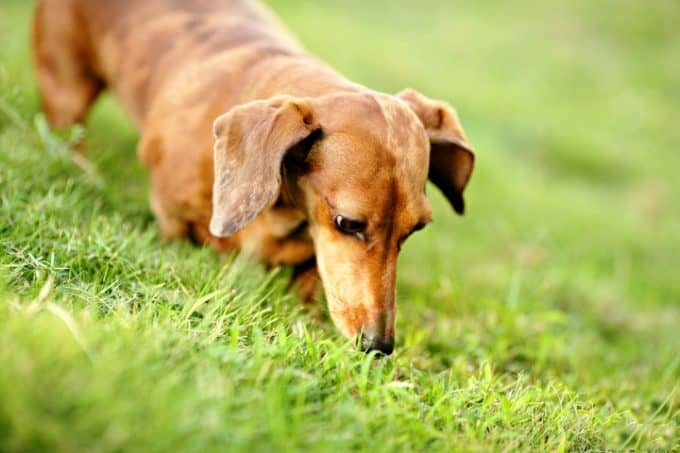
At heart, the Mini Dachshund personality is affectionate, loyal, and mischievous. These little dogs tend to act far bigger than they are, and they’ll happily put themselves in harm’s way if they decide the situation calls for it. They also have a deep love of exploring and an instinct to dig holes whenever the opportunity presents itself.
They generally get along well with people and other pets, though they can be a little aloof around strangers. That’s exactly why early socialization is so important — it builds the trust and confidence they need to stay relaxed in unfamiliar situations. Put the work in, and you’ll have a loving, devoted companion that brings enormous joy to the household.
Related posts: Types of Dachshunds: Sizes, Coats, and Colors · Are Miniature Dachshunds Good Pets?
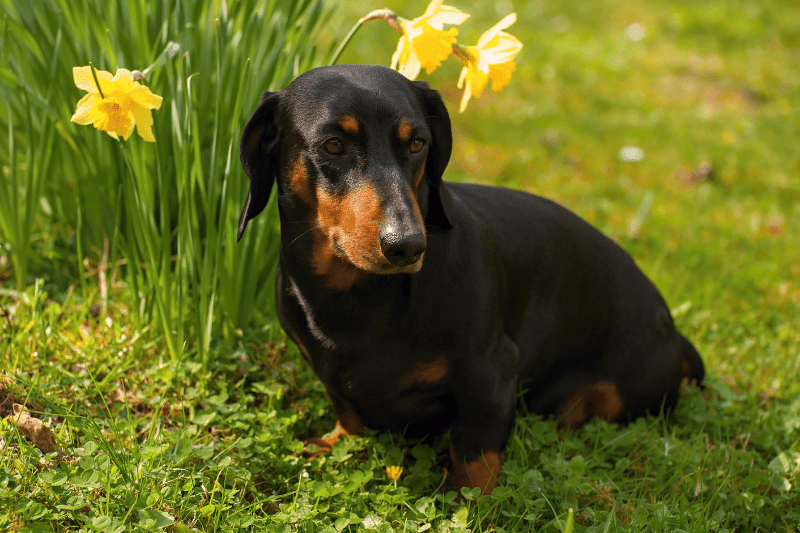
What Are Mini Dachshunds Known For?
Affectionately nicknamed “Mini-Doxies” and “Wiener Dogs,” Miniature Dachshunds carry a proud history that traces back to Germany. Their iconic elongated body and short legs weren’t designed for cuteness — they were purpose-built for hunting. Today, that same distinctive shape, paired with their friendly personalities and unwavering loyalty, makes them one of the most popular companion dogs around.
The breed descends from the standard Dachshund, originally bred to hunt badgers (the name “Dachshund” is literally German for “badger dog”). Miniatures were then selectively developed to chase smaller prey like rabbits and rodents. What really sets them apart is that they were bred to hunt alone, tracking quarry deep into burrows — which is exactly where their remarkable independence, intelligence, and fearless tenacity come from.
Understanding this heritage is the key to understanding the temperament: that “stubbornness” is really the self-reliant problem-solving of a dog bred to make its own decisions underground.
Related post: What Were Dachshunds Bred For?
Do Miniature Dachshunds Make Good Pets?
For the right person or family, Miniature Dachshunds make excellent pets. They’re affectionate and deeply loyal, and their small size makes them a natural fit for apartments and homes with limited space. That said, it’s worth going in with clear eyes about both the joys and the challenges.
Here’s the honest balance sheet:
| The wonderful | The challenging |
|---|---|
| Exuberant, loving, and devoted to family | Stubborn — house training can take longer than with other breeds |
| Great for apartments and small spaces | Prone to health issues like back problems, obesity, and dental disease |
| Loyal, affectionate companions | Tend to bark a lot |
| Big personality in a portable package | Need patient, consistent training and socialization |
None of the challenges are dealbreakers — they’re just things to prepare for. Do your research, weigh the temperament and care needs honestly, and if it’s a match, a Mini Dachshund will reward you with years of devoted companionship.
Related post: Are Dachshunds Good for First-Time Owners?

Do Mini Dachshunds Bark a Lot?
Yes — Miniature Dachshunds are a vocal breed and often bark more than other dogs. It traces straight back to their hunting roots: that loud, persistent bark once helped hunters locate them underground. How much any individual barks depends on their environment, how well they’ve been socialized, and their personality — some Doxies are simply more boisterous than others.
The good news is that excessive barking is very manageable. A few things make a real difference:
- Provide physical activity and mental stimulation. A lot of excess barking comes from pent-up energy and boredom, so plenty of play and enrichment goes a long way.
- Train the “quiet” command. Teach it patiently and reward your pup for staying calm and not barking.
- Socialize early. A confident, well-socialized dog reacts less to every new sound and visitor.
Related post: Do Dachshunds Bark a Lot?
Can Miniature Dachshunds Be Left Alone?
Mini Dachshunds can handle being alone for short periods, but they’re social dogs at heart and can grow anxious or bored if left for too long. Some are prone to separation anxiety, which can spill over into destructive behavior or excessive barking. Age, temperament, and past experiences all shape how well an individual dog copes.
If you need to leave your Mini Dachshund alone, these steps help:
- Build up gradually. Start with very short absences and slowly extend them so your dog learns that alone time is temporary and safe.
- Provide enrichment. Toys and puzzle feeders keep them occupied while you’re out.
- Create a safe space. A crate or confined area they associate with calm can be reassuring.
- Consider a calming aid. A pheromone diffuser (such as Adaptil) can help reduce anxiety and promote relaxation.
- Get professional help for persistent separation anxiety — a trainer or behaviorist can make a big difference.
Related post: Can I Leave My Dachshund Home Alone?
Do Mini Dachshunds Sleep a Lot?
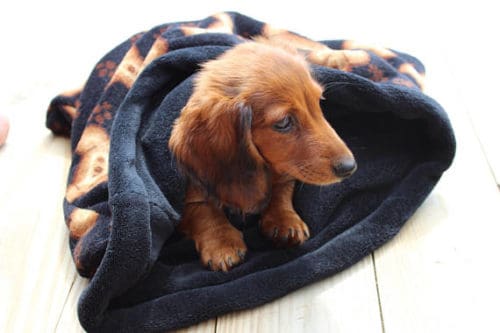
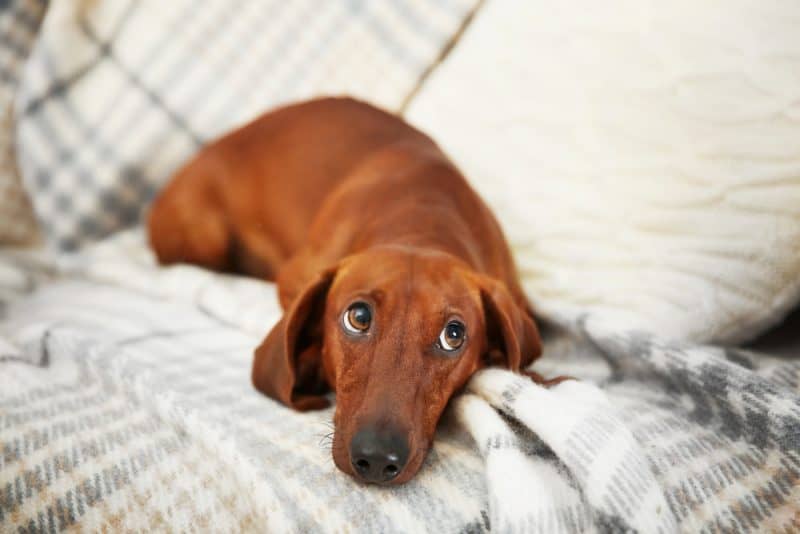
They do. Miniature Dachshunds typically sleep between 12 and 14 hours a day, though this varies with age and activity level — puppies and seniors tend to sleep more. True to their burrowing instincts, they’re famously snuggly, and love nothing more than curling up in a cozy blanket or on their owner’s lap.
To support healthy sleep, give your Mini Dachshund a comfortable, quiet spot to rest, free from disturbances. Regular exercise and mental stimulation during the day also help promote good, restful sleep at night.
Related post: Why Do Dachshunds Sleep So Much?
Is a Miniature Dachshund a Good First Dog?
Miniature Dachshunds can be a great choice for first-time owners — as long as you’re ready to put in the effort. They’re loyal, affectionate, and intelligent, and they bond closely with their people, which makes them genuinely rewarding companions.
The caveats are worth knowing up front: that stubborn streak means they need consistent, structured training to head off behavioral issues, and they come with specific grooming needs and a predisposition to health problems like back trouble. If you’re prepared for that, a Mini Dachshund can absolutely be a wonderful first dog.
A few tips for first-time Mini Dachshund owners:
- Find a reputable breeder or rescue organization.
- Provide regular exercise and daily mental stimulation.
- Establish consistent training and socialization routines from day one.
- Learn their specific grooming and health needs — especially back protection.
Related post: Are Dachshunds Good for First-Time Owners?
Frequently Asked Questions
What is the temperament of a Miniature Dachshund?
Miniature Dachshunds are affectionate, loyal, playful, and curious, with a notably stubborn and independent streak. They bond closely with their families, act far bolder than their size suggests, and tend to be vocal, so early training and socialization are important.
Are Miniature Dachshunds hard to train?
They can be, because they’re strong-willed and independent by nature — a trait rooted in being bred to hunt alone. With patience, consistency, and positive reinforcement, most Mini Dachshunds train well, though house training in particular can take longer than with other breeds.
Do Miniature Dachshunds bark a lot?
Yes, they’re a vocal breed and often bark more than other dogs, a holdover from their hunting heritage. Plenty of exercise, mental stimulation, early socialization, and teaching a “quiet” command all help keep barking manageable.
Can Miniature Dachshunds be left alone?
They tolerate short periods alone but can become anxious or bored if left too long, and some develop separation anxiety. Gradually building up alone time, providing enrichment, offering a safe space, and using calming aids can all help.
How much do Miniature Dachshunds sleep?
Miniature Dachshunds typically sleep 12 to 14 hours a day, with puppies and seniors often sleeping more. They’re snuggly by nature and love curling up in warm, cozy spots.
Are Miniature Dachshunds good for apartments?
Yes. Their small size makes them well suited to apartments and homes with limited space. Just be mindful of their tendency to bark, and make sure they still get daily exercise and mental stimulation.
Are Miniature Dachshunds good with strangers and other pets?
They generally get along well with people and other pets but can be a bit aloof with strangers. Early, consistent socialization helps them build the trust and confidence to stay relaxed in new situations.
Is a Miniature Dachshund a good first dog?
They can be a good choice for first-time owners willing to commit to consistent training and proper care. They’re loyal, affectionate, and intelligent, but their stubbornness, grooming needs, and health predispositions mean they do require dedication.
Why are Miniature Dachshunds so stubborn?
Their independence comes from their history: they were bred to hunt alone and make their own decisions while tracking prey in burrows. What looks like stubbornness is really the self-reliant problem-solving the breed was developed for.
Do Miniature Dachshunds like to cuddle?
Very much so. Thanks to their burrowing instincts, Mini Dachshunds love snuggling into blankets and laps, and they form strong, affectionate bonds with their owners.
Final Thoughts: Big Heart, Small Package
Miniature Dachshunds have a distinct, charming temperament that makes them wonderful pets for the right owner. Yes, they’re stubborn and need consistent training — but they’re also loyal, affectionate, endlessly entertaining, and utterly devoted to the people they love.
The key takeaways:
- Expect a big personality: bold, curious, and mischievous in a tiny body.
- Plan for stubbornness: patient, consistent, positive training is essential.
- Socialize early: it builds confidence and eases their aloofness with strangers.
- Manage the barking with exercise, stimulation, and a “quiet” command.
- Keep them company: they’re social dogs that don’t love being alone for long.
If you’re considering a Mini Dachshund, do your homework and go in understanding their unique needs. Give them a loving, structured home, and you’ll enjoy a long, joyful relationship with one of the most charming little companions out there.
Disclaimer: This article is for informational purposes only and reflects general breed tendencies; every dog is an individual. For advice specific to your Miniature Dachshund’s health, training, or behavior, consult a licensed veterinarian or qualified professional trainer.