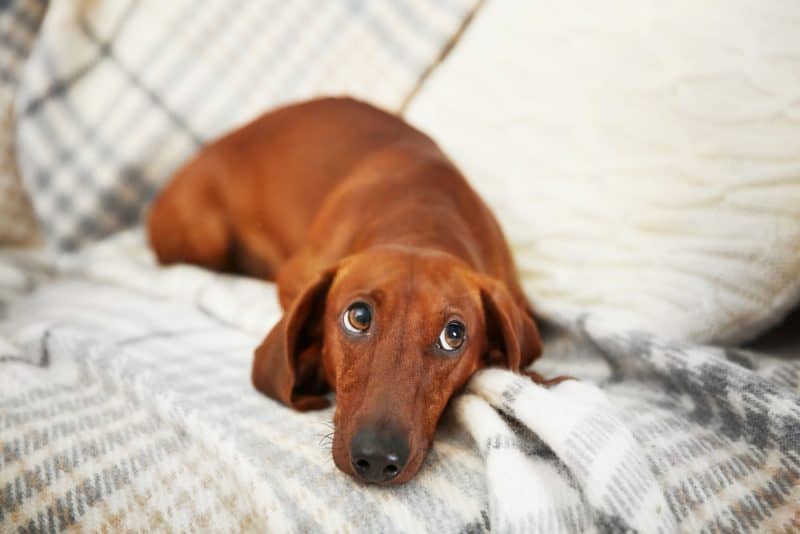
Yes — Dachshunds are hunting dogs. Despite spending most of their modern lives on couches and in cozy laps, the Dachshund is a true working hunting breed, classified as a hound by the American Kennel Club and used for hunting in Germany, Europe, and parts of the United States to this day.
Every part of a Dachshund’s body — the long spine, short legs, deep chest, loud bark, loose skin, and bold personality — was deliberately bred for one purpose: hunting badgers, foxes, and other game underground. Their name itself reveals their hunting roots: “Dachshund” is German for “badger dog.”
This complete guide covers everything: the Dachshund’s hunting history, the prey they were bred to chase, how their anatomy is built for the hunt, how they’re still used today (in Germany and beyond), the hunting instincts modern pet Doxies still display every day, and whether your own Dachshund could be a hunting partner.
Affiliate disclosure: This post contains a few Amazon affiliate links. If you click through and make a purchase, we may earn a small commission at no extra cost to you. We only recommend products we believe in — and your support helps keep Dachshund Central running. Thank you!
Quick Answer: Are Dachshunds Hunting Dogs?
Yes, Dachshunds are 100% hunting dogs. They are members of the Hound Group, originally bred in 17th-century Germany to hunt badgers and other underground game. Their entire body — long, low, sturdy — was engineered through selective breeding for one specific purpose: following prey into narrow burrows.
Quick facts:
- Breed group: Hound Group (AKC)
- Original purpose: Hunting badgers (“Dachshund” = “badger dog” in German)
- Other historical prey: Foxes, hare, wild boar (in packs), wounded deer
- Still used for hunting: Yes — especially in Germany and parts of Europe
- Modern roles: Hunting, scent work, search & rescue, therapy, AKC Earthdog trials
- Hunting instincts in pet Doxies: Still very strong (squirrel chasing, digging, prey drive)
So while most Dachshunds today are loving companions rather than working hunters, the hunting breed is alive and well — and every Doxie still carries those genetic instincts.
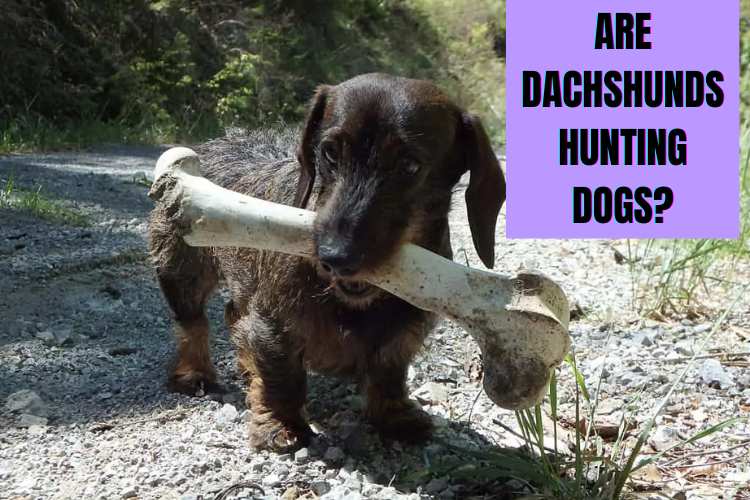
How Dachshunds Are Officially Classified
According to the American Kennel Club, the Dachshund is classified in the Hound Group — the group that contains dogs bred for hunting using sight (sighthounds) or scent (scenthounds).
Dachshunds are specifically scent hounds, meaning they hunt primarily by smell rather than sight. They share the Hound Group with breeds like:
- Beagle
- Bloodhound
- Basset Hound
- Black and Tan Coonhound
- Norwegian Elkhound
Interestingly, some kennel clubs (including the United Kennel Club in the U.S.) classify Dachshunds differently — placing them in the “Scenthound Group” or even occasionally with terriers, due to their underground “earth-dog” work that resembles terrier behavior. Regardless of the specific group, every major kennel club worldwide recognizes the Dachshund as a hunting breed.
Origin of the Dachshund Hunting Breed
The Dachshund’s history as a hunting dog stretches back centuries. The breed traces its origins to 15th-century Germany, with the formalized breed truly emerging in the 1600s and 1700s.
German foresters needed a dog with a very specific skill set:
- Small enough to enter narrow underground burrows
- Bold enough to face dangerous prey like badgers and foxes
- Strong enough to fight or hold prey until hunters could dig down
- Vocal enough to be heard through several feet of earth
- Smart enough to work independently underground without commands
No existing breed fit all these requirements, so German hunters bred for them — creating the Dachshund over many generations. The name itself reflects the dog’s purpose: Dachs (badger) + Hund (dog or hound) = “badger dog.”
Originally, the breed was much larger than today’s Dachshunds — early working dogs weighed 30–40 pounds. The smaller Miniature size was developed later (in the 1800s) to chase smaller prey like rabbits.
Related post: The History and Origins of the Dachshund

Hunting Anatomy: Why Their Bodies Are Built for It
Everything about a Dachshund’s body — the parts that make them look funny and “sausage-like” to modern eyes — was actually purpose-built for hunting:
| Body Part | Hunting Purpose |
|---|---|
| Short, sturdy legs | Squeezing into narrow burrow openings |
| Long body | Maneuvering through underground tunnels |
| Deep chest | Large lung capacity for sustained tracking |
| Floppy ears | Protecting the ear canal from dirt and debris underground |
| Loud, deep bark | Allowing hunters to locate the dog underground |
| Loose skin | Combat protection — slides over muscle, deflects bites |
| Curved upright tail | Visibility flag + emergency handle for pulling the dog out |
| Powerful jaws & large teeth | Combat with formidable badgers and foxes |
| Strong front paws | Digging into burrow openings |
| Excellent nose | Tracking prey by scent above and below ground |
This is what dog breed enthusiasts call “form follows function” — the Dachshund’s iconic shape isn’t an accident or a quirky deformity. It’s the result of deliberate breeding for an extremely specific job.
Related post: What Were Dachshunds Bred For?
What Were Dachshunds Bred to Hunt?
Dachshunds were remarkably versatile hunters, capable of pursuing a wide range of game. Here’s a breakdown of their primary prey throughout history.
Badgers — The Original Target
European badgers are not the cute creatures Americans might imagine. They’re powerful, aggressive animals weighing up to 40 pounds, with razor-sharp claws and crushing jaws strong enough to break bones. Their burrows (“setts”) can be massive underground systems with multiple chambers.
The Dachshund’s job was harrowing: enter the burrow, find the badger, and either drive it out or hold it in place until hunters could dig down to dispatch it. This required extraordinary courage from such a small dog — the Dachshund’s tenacity wasn’t an accident but a survival-trait that was selected for over generations.
Foxes
Foxes were another primary target. While smaller and less fierce than badgers, foxes are highly intelligent and elusive. Dachshunds tracked them above ground using their noses, then followed them into their dens to flush them out.
Wild Boar
Yes — Dachshunds have historically been used to hunt wild boar, animals that can weigh hundreds of pounds. This was always done in packs, with multiple Dachshunds working together to harass and corner the boar until larger hunters arrived. Pack hunting is still practiced today in parts of Europe.
Rabbits & Smaller Game
The Miniature Dachshund was specifically developed in the 1800s when Germany experienced a rabbit population boom. Rabbits use narrower burrows than badgers, so breeders selectively bred smaller Dachshunds to chase them. Today, Miniature Dachshunds are still used in some regions for rabbit hunting.
Wounded Deer Tracking
One often-overlooked Dachshund role is blood-tracking wounded deer. After a hunter shoots a deer that escapes into dense forest, a tracking dog is needed to follow the blood trail and find the animal. Dachshunds — with their incredible scenting ability, persistence, and small size that lets them navigate underbrush — excel at this work. Trained tracking Dachshunds are still highly valued in European hunting circles.
Standard vs. Miniature: Different Hunting Roles
The two Dachshund sizes evolved for different hunting roles:
| Size | Original Prey | Modern Hunting Role |
|---|---|---|
| Standard Dachshund | Badgers, foxes, wild boar (in packs), hare | Blood tracking, fox/badger work, general hunting |
| Miniature Dachshund | Rabbits, ferrets, smaller burrow-dwellers | Rabbit hunting, small-game tracking |
The Kaninchen (“rabbit”) Dachshund — recognized by the FCI as the smallest of three sizes — was developed even smaller, specifically for the tightest rabbit warrens.
Related post: Standard Dachshund vs Miniature Dachshund
Do Dachshunds Catch Rats?
Yes — though they weren’t specifically bred to be “ratters” like Jack Russells or Rat Terriers, Dachshunds prove very effective at catching rats and mice. Their prey drive, persistence, and digging instinct translate well to rodent control.
Many farmers and urban Dachshund owners report their Doxies enthusiastically catching:
- Mice and rats
- Moles and voles
- Chipmunks
- Ground squirrels
This instinct is something to keep in mind if you have small pets like hamsters, gerbils, or guinea pigs — many Dachshunds don’t reliably distinguish “family pet” from “prey.”
Are Dachshunds Still Used for Hunting Today?
Yes — though most pet Dachshunds in the U.S. and U.K. lead leisure lives, hunting Dachshunds remain a respected and active tradition in several parts of the world.
Germany — The Heart of the Tradition
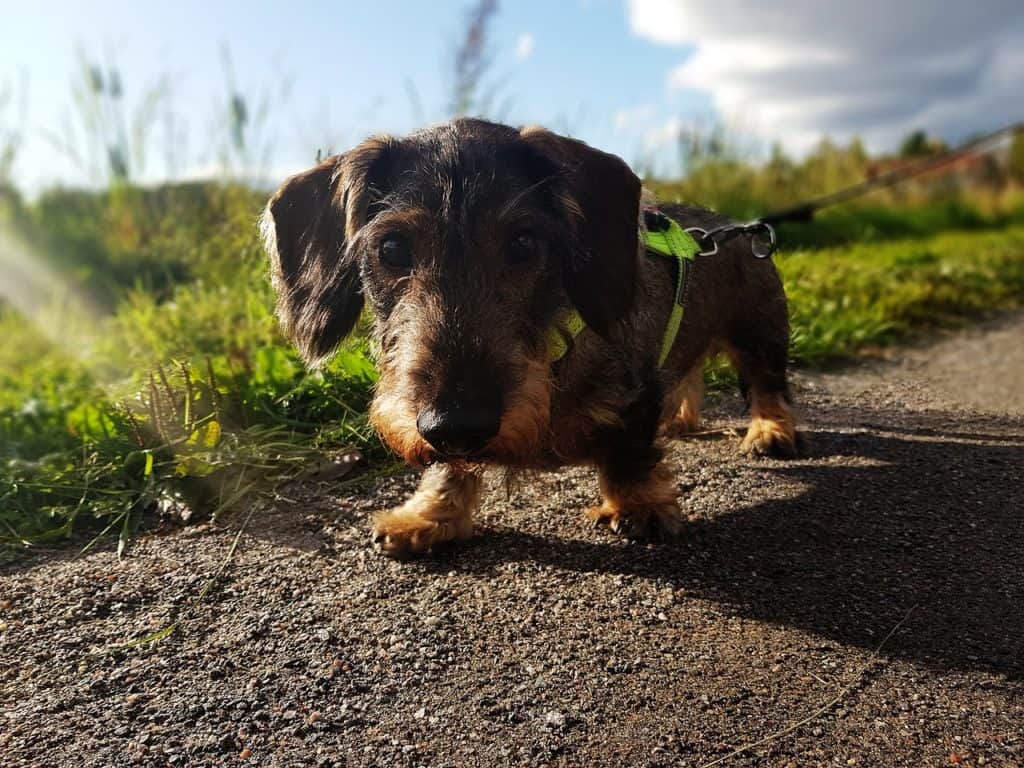
In Germany, working Dachshund lines (called “Teckels” or “Jagddachshunds”) are still bred specifically for hunting and tested for working ability before being approved for breeding. The German Teckel Club (DTK) maintains separate registration tracks for working dogs versus show dogs. These hunting Dachshunds are notably leaner, more athletic, and often have shorter ears and tighter coats than show Doxies.
Other European Countries
Dachshunds are still actively used for blood tracking, fox hunting, and wild boar packs in countries including:
- Austria
- Switzerland
- France
- Czech Republic
- Sweden, Norway, Finland
- Poland and Hungary
The United States — AKC Earthdog Trials
Many American Dachshund owners introduce their dogs to AKC Earthdog Tests — sport events that let dogs use their natural underground-hunting instincts in a safe, controlled environment. Dogs follow a scent through tunnels and “work” caged rats (which are not harmed) to demonstrate the same skills their ancestors used for badger hunting.
The AKC also offers:
- Tracking events — testing scent-following abilities
- Field trials — open to Dachshunds
- Hunting tests — for breeds with hunting heritage
For owners interested in trying hunting-style work with their Doxie, a long training lead is essential for the early stages — it lets your dog follow their nose while you maintain safety control.
U.S. Hunting
Some American hunters do use Dachshunds for:
- Rabbit hunting — flushing rabbits from underbrush
- Squirrel hunting — treeing squirrels for hunters
- Blood tracking deer — recovering wounded game (legal in many states)
- Den hunting — fox, coyote, and groundhog work in some regions
The North American Teckel Club (NATC) promotes working Dachshund traditions in the U.S. and Canada.
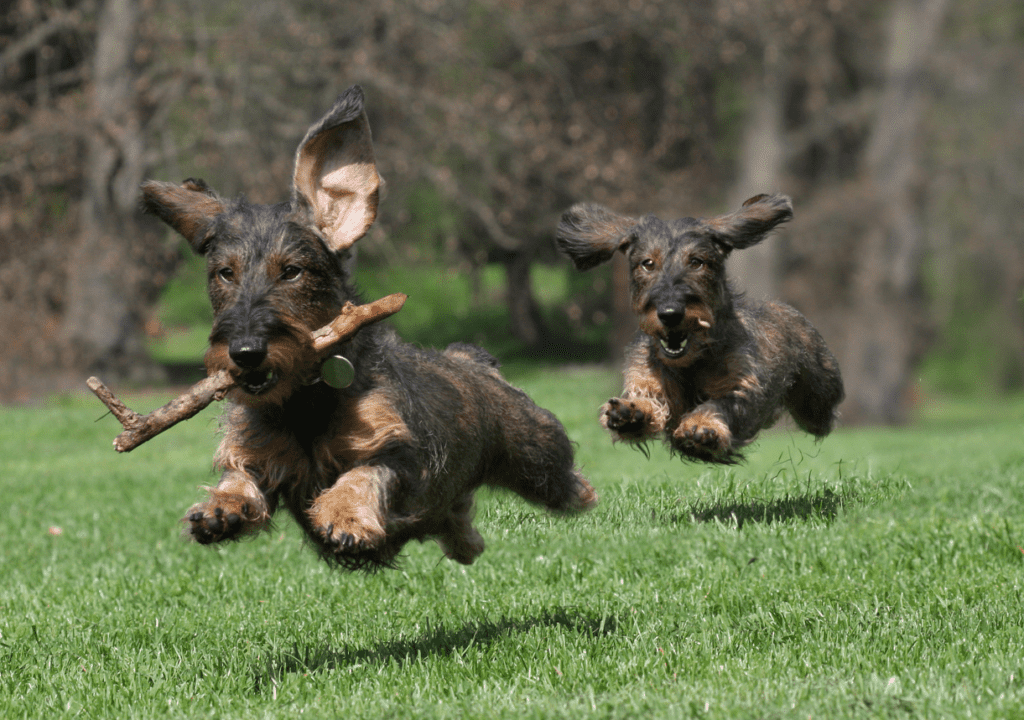
Modern Roles Beyond Hunting
The Dachshund’s hunting heritage gives them transferable skills that work in several modern dog jobs:
Scent Work & Nose Work Sports
Dachshunds excel at AKC and competitive scent work sports — finding hidden scents on command. Their strong noses and methodical hunting style make them naturals. Many owners use scent work training kits at home to channel their dog’s drive constructively.
Therapy Dogs
The Dachshund’s small size, devotion to people, and emotional sensitivity make them excellent therapy dogs. They visit hospitals, nursing homes, schools, and stress-relief programs to bring comfort to vulnerable people.
Search & Rescue (Specialized)
A small number of Dachshunds work in specialized search and rescue, particularly tracking work. Their nose and tenacity translate well — though larger breeds typically dominate this field.
Detection Work
Some Dachshunds have been trained for explosive detection, drug detection, and even cancer-screening scent work — though again, larger breeds are more common in these roles.
Companion & Family Dog
By far the most common modern role for a Dachshund is beloved family companion. While their hunting heritage shapes their personality, most Doxies will never see prey in their lives.
Related post: Hiking and Camping With a Dachshund
Do Pet Dachshunds Still Have Hunting Instincts?
Absolutely yes. Even Dachshunds bred for many generations as companions retain strong, recognizable hunting traits that show up daily.
Common Dachshund “hunting” behaviors you’ll see in your living room and yard:
| Behavior | What It’s Really About |
|---|---|
| Chasing squirrels, rabbits, birds | Pure prey drive |
| Intense sniffing on walks | Scent tracking instinct |
| Digging holes in the yard | Burrow-entering and den-creating instinct |
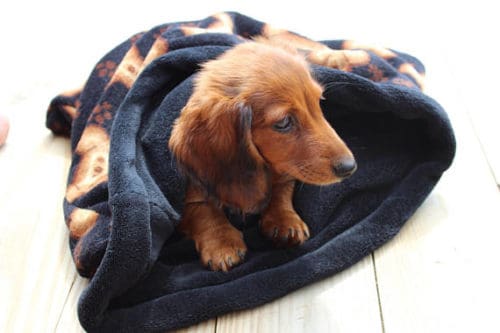
| Burrowing under blankets | Same underground-hunting instinct |
| Loud, persistent barking at doorbells, noises | Alert bark (originally for hunters to locate them underground) |
| Shaking toys violently | Mock prey “kill” behavior |
| Stubbornness during training | Independent decision-making from working alone underground |
| Fearless confrontation of dogs/animals much larger | Original courage required to face badgers |
| Possessive of toys and food | Resource-guarding from competitive pack-hunting heritage |
Understanding that these aren’t “bad behaviors” but instead centuries of carefully bred instincts can completely change how you relate to your Dachshund. The squirrel chasing isn’t disobedience — it’s a 400-year-old genetic legacy.
Can You Take Your Dachshund Hunting?
Yes — many pet Dachshunds enjoy hunting-style activities, and you can absolutely introduce your Doxie to their working heritage. However, there are important considerations.
Hunting-Style Activities That Are Safe and Fun
- AKC Earthdog tests — controlled, no real prey, dogs of all experience levels welcome
- Scent work sports — find hidden scents in increasingly complex settings
- Tracking events — follow a laid trail through varied terrain
- Nose work classes — beginner-friendly indoor scent training
- Long walks with sniff time — let them work their nose
- Hide-and-seek games — using treats hidden around your home
- Puzzle toys — engaging their problem-solving hunting drive
If You Want to Try Actual Hunting
If you’re an experienced hunter interested in genuine hunting work with your Doxie:
- Choose a working-line Dachshund from a hunting breeder — pet-line Doxies vary in working ability
- Start with formal training — your dog needs solid recall, leash manners, and scent training first
- Use proper equipment — a sturdy padded outdoor harness for tracking work, GPS tracker, blaze-orange vest
- Carry training rewards in a hands-free treat pouch for reinforcement during sessions
- Connect with experienced hunters — the NATC or local hunting clubs can connect you with mentors
- Know the laws — hunting regulations vary by state and country
- Watch for back safety — even working Doxies need careful management of physical activity
Realistic Expectations
Most family-line Dachshunds make wonderful companions but aren’t necessarily destined for serious hunting work. Their breed instinct is real, but channeling that into actual hunting takes a particular type of dog plus dedicated training. Most Doxies thrive with simulation activities like scent work, Earthdog, and sniff walks — getting all the joy of the hunting heritage without the risks of actual game hunting.
Frequently Asked Questions
Are Dachshunds considered hounds or terriers?
Dachshunds are officially classified as hounds by the AKC (Hound Group) and most international kennel clubs. However, their underground “earth-dog” work is similar to what terriers do, which is why some clubs (like the UKC) classify them in the Scenthound Group or alongside terriers.
What were Dachshunds originally bred to hunt?
Badgers, primarily. The name “Dachshund” literally means “badger dog” in German. They were also bred to hunt foxes, hare, rabbits, wild boar (in packs), and to track wounded deer.
Are Dachshunds good hunting dogs?
Yes — particularly for their original prey (badgers and foxes) and modern roles like blood tracking deer, rabbit hunting, and AKC Earthdog work. Working-line Dachshunds are highly capable; pet-line Dachshunds vary in working ability but most retain strong hunting instincts.
Are Dachshunds still used for hunting today?
Yes, especially in Germany and other European countries where dedicated working Dachshund lines (Teckels) are still bred and used. In the U.S., they’re used in some regions for rabbit hunting and blood tracking, plus AKC Earthdog and Tracking events.
Why are Dachshunds so vocal?
The Dachshund’s deep, loud bark was specifically bred so hunters could locate them when they were working underground. That same trait now alerts you to every doorbell, leaf, and passing car.
Can my pet Dachshund hunt?
Most pet Dachshunds have strong hunting instincts but may not be trained or bred specifically for working roles. Many enjoy hunting-style activities like Earthdog tests, scent work, and tracking sports. If interested in real hunting, look for a working-line breeder and dedicated training.
Do Dachshunds catch mice and rats?
Yes — though not bred specifically as “ratters,” Dachshunds prove very effective at catching rodents thanks to their prey drive, digging instinct, and persistence. Many farmers and urban Doxie owners use them for informal pest control.
Why do Dachshunds dig?
Digging is a hardwired hunting instinct. In the wild, Dachshunds dig to enter burrows, expose hidden prey, and create their own dens. In your backyard, that instinct manifests as random holes, blanket burrowing, and “redecorating” the couch cushions.
Are Dachshunds good for hunting deer?
Not for chasing deer directly (they’re too small), but they’re excellent for blood-tracking wounded deer. Their nose, persistence, and small size make them ideal for following blood trails through dense forest. This is a respected use of Dachshunds in many hunting cultures.
How can I tell if my Dachshund has hunting instincts?
Almost all do — but signs of strong hunting instincts include intense interest in small animals, persistent sniffing, digging behavior, chasing squirrels obsessively, alert barking at wildlife, and being highly food/scent motivated. These traits show up early in puppyhood.
Final Thoughts: A Hunter in Disguise
The next time your Doxie locks eyes on a squirrel through the window, frantically digs at the couch cushions, or barks indignantly at the mail carrier — remember what you’re really seeing. That’s not a quirky little lap dog. That’s a centuries-bred German hunting hound whose ancestors faced down 40-pound badgers in dark underground tunnels.
The key takeaways:
- Yes, Dachshunds are hunting dogs — officially classified as hounds.
- They were bred for badger hunting primarily, plus foxes, wild boar, rabbits, and deer tracking.
- Their entire body — every quirk you love — was engineered for hunting underground.
- Working Dachshunds still exist, especially in Germany and Europe.
- AKC Earthdog and scent work let pet Doxies channel their instincts safely.
- Hunting instincts shape modern personality — stubbornness, prey drive, digging, barking, fearlessness.
- Understanding this heritage helps you appreciate (not fight) your Doxie’s “quirks.”
Whether your Dachshund is a true working hunter, an Earthdog competitor, or simply a beloved couch companion, they all carry the same proud heritage. Embrace the squirrel chases. Enjoy the blanket burrowing. Laugh at the indignant barking. Your Doxie isn’t being weird — they’re being a Dachshund, exactly as they were bred to be.
Related post: The History and Origins of the Dachshund
Disclaimer: This article is for informational purposes only. Hunting laws and regulations vary by location — always check your local laws before pursuing any hunting activities. If you’re interested in working your Dachshund in earthdog, tracking, or hunting events, consult experienced trainers and your local kennel club.