

Watching your Dachshund scratch, lick their paws raw, or struggle with chronic ear infections is heartbreaking — especially when the cause might be sitting right in their food bowl.
While true food allergies are less common than environmental ones, the wrong diet can absolutely worsen allergy symptoms in Dachshunds: itchy skin, digestive upset, recurring ear infections, and constant paw licking. The flip side? Switching to the right food can dramatically reduce flare-ups and turn an uncomfortable Doxie back into a happy, energetic one.
This guide walks you through it all: how diet affects Dachshund allergies, which ingredients to avoid, the three main types of allergy-friendly food, our top picks for 2026, and how to safely transition your dog to a new diet — all backed by current veterinary recommendations.
Table of Contents
- Why Diet Matters for Allergic Dachshunds
- 3 Types of Allergy-Friendly Dog Food Explained
- A Word on Grain-Free Diets
- Ingredients to Avoid in Dog Food
- Ingredients to Look For
- Top 3 Foods for Dachshunds With Allergies
- Tips for Feeding an Allergic Dachshund
- How to Safely Transition Foods
- Helpful Supplements
- When to Talk to Your Vet
- Frequently Asked Questions
- Final Thoughts
Why Diet Matters for Allergic Dachshunds
First, an important truth: true food allergies in dogs are less common than most people think. According to data cited by PetMD’s veterinary panel, only about 0.2% of dogs have actual food allergies, while around 3.6% suffer from environmental allergies (pollen, dust, mold).
That said, food sensitivities are far more common than true allergies — and even dogs with environmental allergies often improve when their immune system isn’t simultaneously fighting trigger ingredients in their food. A high-quality, well-formulated allergy-friendly diet can:
- Reduce skin inflammation and itching
- Calm chronic ear infections
- Improve digestive health and stool quality
- Strengthen the skin barrier (so environmental allergens have less impact)
- Reduce the need for allergy medication
For Dachshunds specifically — a breed prone to skin issues, ear infections, and weight gain — getting the diet right has an outsized impact on quality of life.
3 Types of Allergy-Friendly Dog Food Explained
Not all “hypoallergenic” foods are the same. There are three main categories, each working differently — and each suited to different situations. Here’s how they compare.
Limited-Ingredient Diets (LID)
Limited-ingredient diets contain a short list of carefully selected ingredients — usually one protein source and one carbohydrate source. The fewer the ingredients, the easier it is to identify (and avoid) potential triggers.
Best for: Mild to moderate sensitivities, dogs with suspected allergies before formal diagnosis, and as a long-term maintenance diet after identifying triggers.
Look for: Whole-food first ingredients, named protein sources (not “meat by-products”), and absence of common allergens like beef, chicken, dairy, wheat, corn, and soy.
Novel Protein Diets
Novel protein diets use proteins your Dachshund has likely never eaten before. Since their immune system hasn’t been exposed to these proteins, it’s much less likely to react.
Common novel proteins include duck, venison, rabbit, salmon, kangaroo, and bison. These are increasingly popular as everyday Dachshund food has expanded to include lamb, fish, and other once-exotic options — meaning what counts as “novel” depends on your individual dog’s history.
Best for: Dogs with known sensitivities to common proteins like beef, chicken, or lamb. Often combined with limited-ingredient formulas for maximum benefit.
Hydrolyzed Protein (Prescription) Diets
This is the gold standard for diagnosing and treating true food allergies. In hydrolyzed diets, proteins are chemically broken down into pieces so small the immune system doesn’t recognize them as allergens.
According to the American Kennel Club, hydrolyzed diets are the most reliable way for vets to confirm a food allergy through an elimination trial — typically Hill’s z/d, Royal Canin Hydrolyzed Protein, or Purina Pro Plan HA.
Best for: Confirmed food allergies, severe symptoms, or dogs that haven’t responded to limited-ingredient or novel protein diets. Available by veterinary prescription only.

A Word on Grain-Free Diets
You’ll see “grain-free” plastered on countless dog foods — often marketed as the obvious choice for allergic dogs. But here’s the truth: grain allergies in dogs are rare. Most food allergies are protein-related (beef, chicken, dairy), not grain-related.
More importantly, the FDA has been investigating a possible link between grain-free diets and a serious heart condition called canine dilated cardiomyopathy (DCM), particularly in diets heavy in legumes (peas, lentils, chickpeas) or potatoes as primary ingredients.
The bottom line: Don’t switch your Dachshund to a grain-free diet just because it sounds “healthier.” Only use grain-free if your vet has confirmed a grain sensitivity — and even then, choose carefully.
Ingredients to Avoid in Dog Food
If your Dachshund struggles with allergies, scrutinize the ingredient list and avoid these common culprits:
Most Common Protein Allergens
- Beef — the #1 most common food allergen in dogs
- Chicken — extremely common, especially in dogs fed it for years
- Dairy (milk, cheese, yogurt) — often causes digestive upset
- Lamb — once “novel,” now common
- Eggs — less common but possible
Common Filler Allergens
- Wheat and wheat gluten
- Soy
- Corn (more often a sensitivity than an allergy)
Red-Flag Ingredient Terms
- “Meat by-products” or “animal by-products” (vague sourcing)
- “Animal fat” without species named
- Artificial colors, flavors, and preservatives (BHA, BHT, ethoxyquin)
- Excessive added sugars or corn syrup
- Carrageenan (a thickener linked to GI inflammation)
Ingredients to Look For
The right ingredients can support your Dachshund’s skin, gut, and immune health. Look for:
- A single, named protein source (e.g., “deboned salmon” not “fish meal”)
- Novel proteins if common ones haven’t worked: duck, venison, rabbit, salmon
- Easily digestible carbohydrates: sweet potatoes, peas, oatmeal, rice
- Omega-3 fatty acids from fish oil or flaxseed (supports skin barrier)
- Prebiotics and probiotics for gut health
- Pumpkin for digestive support
- AAFCO-compliant labeling — confirms complete and balanced nutrition
- No artificial colors, flavors, or preservatives
Top 3 Foods for Dachshunds With Allergies
After researching options and reviewing veterinary recommendations, here are our three top picks for allergy-friendly Dachshund food. All three are over-the-counter limited-ingredient diets — meaning no prescription needed. They’re best for mild to moderate sensitivities; severe cases should always see a vet.
1. Wellness Simple Natural Limited Ingredient
Best for: Adult Dachshunds with sensitive skin and digestive issues
Main protein: Salmon | Main carb: Potatoes
Wellness Simple Natural Limited Ingredient Dry Dog Food is a strong all-around choice for adult Dachshunds prone to allergies. The recipe centers on salmon (a great novel protein for dogs sensitive to chicken or beef) and easily digestible potatoes.
Why it’s a top pick:
- Single high-quality protein source (salmon)
- Naturally rich in omega-3 fatty acids for skin and coat
- Includes prebiotics for digestive health
- Free from wheat, corn, soy, dairy, eggs, and artificial preservatives
- AAFCO-compliant for complete and balanced nutrition
Watch out for: Salmon may itself be an allergen for dogs that have eaten fish-based foods previously. If your Dachshund has eaten salmon before without issue, this is a great choice.

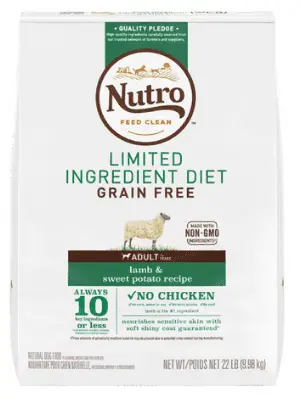
2. NUTRO Limited Ingredient Diet
Best for: Dachshunds sensitive to chicken or beef
Main protein: Lamb | Main carb: Sweet potatoes
NUTRO Limited Ingredient Diet Adult Dry Dog Food uses lamb as its sole animal protein paired with sweet potatoes — a great combination for dogs that don’t tolerate chicken or beef well. The recipe is non-GMO and free from common allergens.
Why it’s a top pick:
- Single, named protein source (lamb)
- Sweet potatoes provide easily digestible carbs and natural fiber
- Non-GMO ingredients
- No chicken, beef, corn, wheat, soy, or dairy
- No artificial colors, flavors, or preservatives
Watch out for: Lamb is becoming less “novel” as it’s increasingly common in dog food. If your Doxie has been eating lamb-based foods, this may not solve the issue.
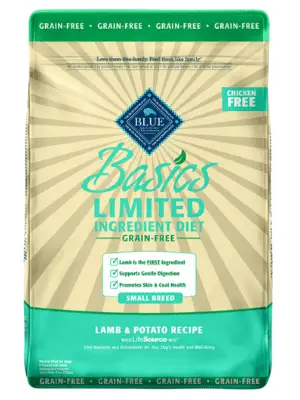
3. Blue Buffalo Basics Limited Ingredient Diet
Best for: Dachshunds with sensitive stomachs and small breed nutritional needs
Main protein: Lamb | Main carb: Potatoes & peas
Blue Buffalo Basics Limited Ingredient Diet rounds out our top three with a recipe specifically designed for dogs with food sensitivities. Lamb is the single protein source, and the kibble size suits smaller breeds like Dachshunds well.
Why it’s a top pick:
- Single protein (lamb) and limited carbohydrates
- Pumpkin added for digestive support
- Free from chicken, beef, dairy, eggs, corn, wheat, and soy
- No artificial colors, flavors, or preservatives
- Available in small-breed-specific kibble size
Watch out for: Like NUTRO, this uses lamb — make sure it’s actually novel for your Doxie. Some Dachshunds also do better on grain-inclusive diets, so check whether your dog tolerates grains.
Tips for Feeding an Allergic Dachshund
Practice Strict Portion Control
Excess weight strains the immune system and worsens both skin and joint issues. Follow the food bag’s serving guidelines based on your Doxie’s ideal weight, not their current weight. A typical adult Dachshund needs roughly 1/3 to 1 cup of dry food per day, split into two meals.
No Treats During an Elimination Trial
If your vet has put your Dachshund on an elimination diet, that means no treats, no table scraps, no flavored medications, no dental chews — nothing but the prescribed food. A single “harmless” treat can ruin an 8-week trial.
Use Single-Ingredient Treats
Once you know what your Doxie tolerates, stick to treats that match. Freeze-dried single-protein treats (made from the same protein as their food) are ideal.
Read Labels Religiously
Manufacturers can change recipes without notice. Re-check ingredient lists periodically — especially if symptoms suddenly return.
Keep a Food Journal
Track everything your Dachshund eats and any symptoms (itching, ear scratching, paw licking, GI upset). Patterns often emerge after a few weeks.
How to Safely Transition Foods
Switching dog foods abruptly is a recipe for vomiting and diarrhea. Follow this 7-to-10-day transition plan:
| Days | Old Food | New Food |
|---|---|---|
| Days 1–2 | 75% | 25% |
| Days 3–4 | 50% | 50% |
| Days 5–7 | 25% | 75% |
| Days 8–10 | 0% | 100% |
If your Dachshund has a particularly sensitive stomach, stretch this transition over 14 days instead. Watch for vomiting, diarrhea, or refusal to eat — and slow down if you notice any.
Important: When doing a true elimination trial, your vet will likely have you switch without a transition period (since you’re trying to clear the previous food from the system entirely). Always follow your vet’s specific instructions.
Helpful Supplements for Allergic Dachshunds
Supplements can complement (but not replace) a good diet. Talk to your vet before adding any of the following:
- Omega-3 fish oil: Reduces inflammation and supports skin barrier function. Look for products with high EPA/DHA content.
- Probiotics: Support gut health, which is closely linked to immune and skin health.
- Quercetin: Sometimes called “nature’s Benadryl,” this flavonoid has anti-histamine properties.
- Vitamin E: Supports skin health and works synergistically with omega-3s.
- Coconut oil (small amounts): May help skin and coat, though benefits are debated.
Avoid supplements with added flavorings (especially chicken or beef) that could trigger allergies.
When to Talk to Your Vet
An over-the-counter food change is fine for mild symptoms, but contact your vet if your Dachshund:
- Doesn’t improve after 8–12 weeks on a new diet
- Has chronic ear infections
- Develops open sores, skin infections, or hot spots
- Is losing weight unintentionally
- Has persistent vomiting or diarrhea
- Shows signs of distress (excessive licking, scratching, restlessness)
Severe cases may need a prescription hydrolyzed diet, allergy medication (like Apoquel or Cytopoint), or a referral to a veterinary dermatologist. Don’t wait too long — chronic untreated allergies often lead to secondary skin infections that are much harder to clear up.
Frequently Asked Questions
What’s the best protein for a Dachshund with allergies?
It depends on what they’ve already eaten. The most common dog allergens are beef, chicken, and dairy — so novel proteins like salmon, duck, venison, or rabbit are usually safer choices. Lamb used to be considered novel but is now common, so it may not be the best pick for a dog that’s already eaten lamb-based foods.
How long until I see improvement after switching food?
Allergic skin and ear symptoms take time to resolve. Expect at least 8 to 12 weeks on a new diet before you can fairly judge whether it’s working. Digestive symptoms often improve faster (within 1–2 weeks).
Is grain-free dog food better for allergies?
Generally no. Most food allergies are protein-based, not grain-based. The FDA has also linked grain-free diets to potential heart issues in some dogs. Don’t go grain-free unless your vet specifically recommends it.
Can I make my own dog food at home?
Yes, but only with a board-certified veterinary nutritionist’s recipe. Homemade dog food is notoriously hard to balance — most DIY recipes are deficient in key nutrients. Useful resources include BalanceIT, which offers vet-formulated home recipes.
Are prescription allergy diets really necessary?
For mild to moderate sensitivities, often no — over-the-counter limited-ingredient or novel protein diets can be enough. For confirmed food allergies or severe cases, prescription hydrolyzed diets are far more reliable because they’re made under strict cross-contamination protocols.
How do I know if my Dachshund has a food allergy or environmental allergy?
Food allergies tend to cause year-round symptoms, often involve digestive issues, and respond to a strict elimination diet. Environmental allergies are usually seasonal, primarily affect the skin, and respond to allergy medications. A vet can help differentiate — and many dogs have both.
Should I rotate my Dachshund’s food?
Once your Doxie is stable on a food that works, don’t rotate. Rotation can actually increase the risk of developing new allergies through repeated exposure to new proteins. Stick with what works.
Final Thoughts: The Right Diet Can Change Everything
Watching your Dachshund suffer through chronic itching, ear infections, or upset tummies is exhausting — for both of you. But here’s the encouraging part: most allergic Dachshunds dramatically improve with the right diet, often within a couple of months.
The keys are:
- Choose a limited-ingredient or novel protein food made with high-quality, single-source ingredients.
- Avoid the most common allergens: beef, chicken, dairy, wheat, soy, and corn.
- Transition slowly over 7–10 days to avoid digestive upset.
- Be patient — give a new food at least 8–12 weeks before judging.
- Work with your vet for severe cases or anything that doesn’t improve.
Whether you start with our top picks like Wellness Simple, NUTRO LID, or Blue Buffalo Basics — or work with your vet on a prescription diet — finding the right food is one of the most impactful changes you can make for an allergic Dachshund.
Related post: Understanding Dachshund Allergies
Disclaimer: This article is for informational purposes only and is not a substitute for professional veterinary advice. Always consult your veterinarian before making major dietary changes, especially for a dog with confirmed allergies or chronic health issues.
Affiliate disclosure: This post contains affiliate links. If you click through and make a purchase, we may earn a small commission at no extra cost to you. We only recommend products we believe in — and your support helps keep Dachshund Central running. Thank you!